
Welcome to Co-Curate
A curated collection of over 100,000 photos, videos & resources related to the North East of England and Cumbria.
Over 15,000 pages: Browse Topics | Places | Years | Museums & Galleries | WW1 | more...
Co-Curate brings together online collections, museums, universities, schools and community to make and re-make stories and images from North East England and Cumbria.
 County Durham
  Northumberland
  Tees Valley
  Tyne & Wear
  Cumbria
On this Day in 1639
Charles joins the English Army at Berwick upon Tweed

On the 30th May, King Charles I joined his English Army of about 15,000 men at Berwick-upon-Tweed. Charles announced that he would not invade Scotland, as long as the Covenanter army remained 10 miles north of the border. Alexander Leslie, commanding the Scottish Covenanter army advanced to Kelso, within the 10 mile limit, but neither side was anxious to fight.
View Related Timelines:
Anglo-Scottish Wars 17th Century 1639 Berwick upon Tweed
FEATURED

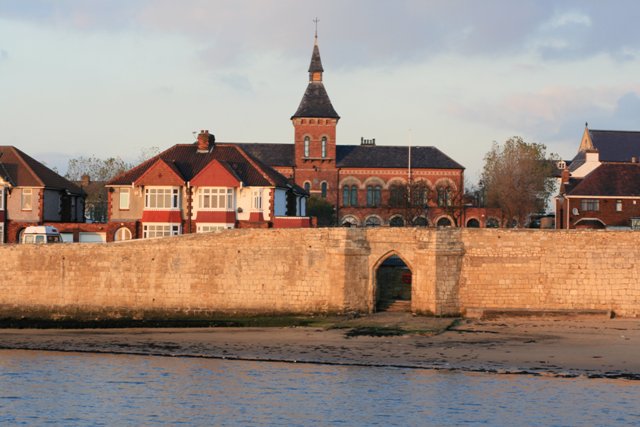
Harlepool Headland
The Headland Conservation Area includes both medieval and Victorian architecture. View the area and…... read more
MOST RECENTLY PINNED IMAGES


Parish in Focus: Bewick, Northumberland
The Civil Parish is the lowest tier of local government and many of the parishes in Northern England have boundaries and interesting histories relating to the ancient townships of long ago. Typically they have an enduring sense of place and community.
 Bewick is a civil parish in Northumberland, located about 10 miles north-west of Alnwick. It is sparsely populated, with the population mostly concentrated in the east side of the parish, in the hamlets of Old Bewick and New Bewick. The west of the parish includes the rugged terrain of Bewick Moor and hill ranges. It has several prehistoric sites, including Bronze Age cairns and Iron Age hillforts (see: historic sites). The River Breamish flows through the parish, and south of Bewick Bridge, it becomes known as the River Till.
 |
 |
|
|
|
 |
 |
|
Historic Buildings and Monuments
|
|
Check out over 600 Civil Parish profiles on this site in: County Durham, Cumbria, Northumberland, and Tees Valley
Many of the metropoliton areas, particularly in Tyne and Wear, are unparished. However, there are a few in Newcastle.
JOIN IN
Get started by selecting your group below