Topics > Tyne and Wear > Newcastle upon Tyne > Throckley > Dewley
Dewley
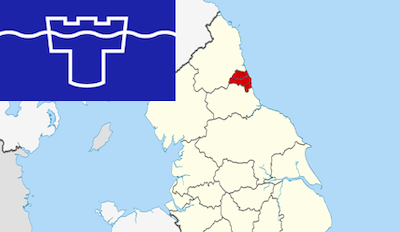
Dewley was located to the north of Throckley in Newcastle.
Medieval Settlement
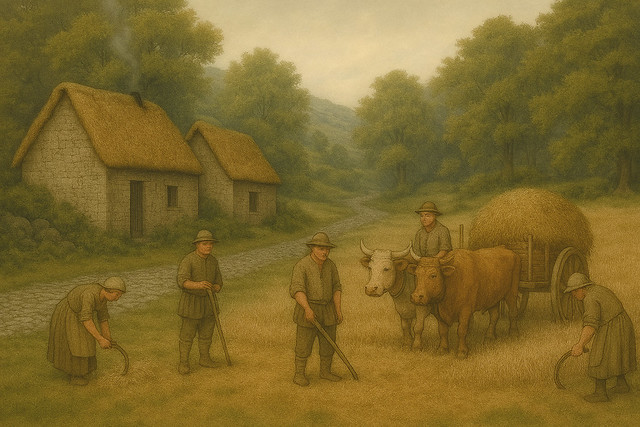
Dewley was a Medieval settlement, first documented in 1296, having 4 tax-payers. In 1622 Cuthbert Heron was recorded as having "a house and a close called Dewly"[1]. The exact location of the Medieval settlement of Dewley is unknown, but may have been at the present Dewley Farm, the former East Dewley (house), or a cluster of buildings labelled as Dewley on the OS map of 1898 (the site of which was destroyed by the construction of the A69).[2]
19th century

Extract from the OS 6 inch map (1888-1913) showing Dewley and Throckley Fire Brick and Clay Retort Works. CC-BY NLS
A settlement named Dewley is shown on maps, located to the east of Throckley Fire Brick and Tile Works, and to the south-west of Dewley Farm. It was possibly associated with Bewley pits / colliery of the 18th & 19th century. Whellan's 1855 directory of Northumberland lists Timothy Moore as boot and shoe maker in Dewley (two entries), under the parish of Newburn[3]. Later, the site of Dewley was destroyed during the construction of the A69 / Newcastle Western Bypass, which opened in 1990.
To the north of Delwley was a corn mill - named Throckley Mill on the first edition OS map Survey, labelled as Dewley Mill on later maps. A dam on Dewley Burn fed a mill race to power the mill. Much of the area was later destroyed by opencast coal mining - though the foundations of the 19th century mill still remain.[4]
Dewley Pits (aka Dewley Burn Colliery), located further north towards Black Callerton, operated in the 18th and 19th century - where George Stephenson and his son Robert both worked for a time.


Co-Curate Page
Dewley Farm, Newcastle
- Dewley Farm is located north of Throckley and situated by Dewley Burn. To the north-west of the farm is Dewley Hill, a Neolithic burial mound.
from https://www.twsitelines.info/…
Dewley village
- The first reference is in the Lay Subsidy Roll of 1296 when Dewley had 4 tax- payers. There were 4 again in 1312. Described as a waste place, worth 13s …
Added by
Simon Cotterill
from https://www.twsitelines.info/…
Dewley Mill
- Cartington's rental of Newburn manor in 1499/1500 records that Alianora Lady Ogle held not only the hamlet of Dewlawe, but also "The West Milne", rent 462 8d, repairs allowed to …
Added by
Simon Cotterill
from https://www.twsitelines.info/…
Dewley
- A number of small buildings are shown here on the tithe map of 1848 in 'Shop Field'. The field name suggests that they might have been workshops of some sort. …
Added by
Simon Cotterill

Co-Curate Page
Dewley Hill round barrow
- Scheduled Monument area - based on Historic England data (Open Government Licence). Dewley Hill - photo by Andrew Curtis, CC-BY-SA Scheduled Monument (#1018678): Dewley Hill round barrow and associated features, …

Co-Curate Page
Dewley Pits, SW of Black Callerton
- Scheduled Monument areas (7) - based on Historic England data (Open Government Licence). Scheduled Monument (#1016194): Coal workings at Dewley Pits, 650m south west of Black Callerton Click the headings …
Co-Curate Page
Move to Dewley Burn
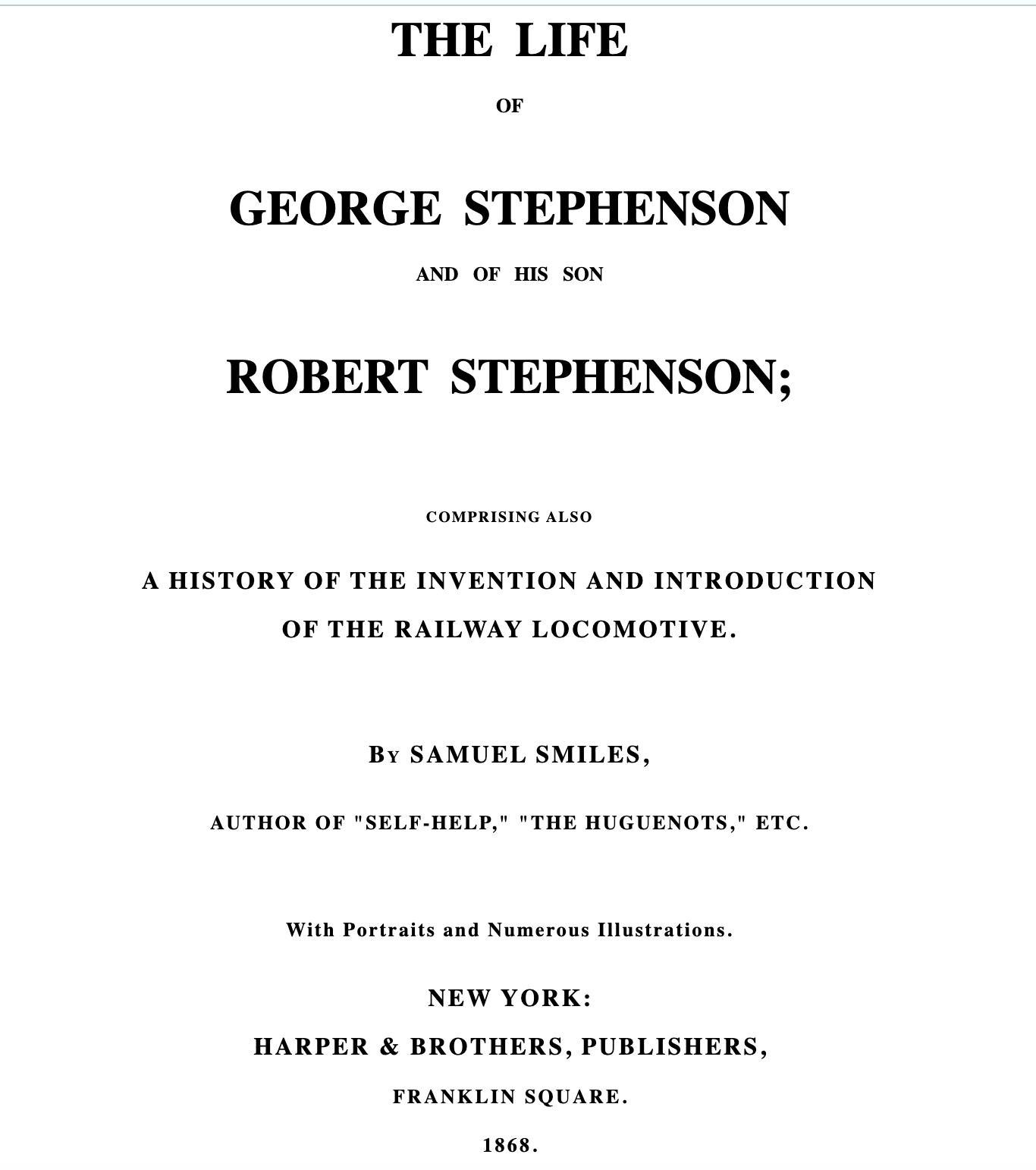
- Extract from: The Life of George Stephenson and of his son Robert Stephenson, by Samuel Smiles, 1881. Thus eight years passed; after which, the coal having been worked out on …

Co-Curate Page
Dewley Farm, Newcastle
- Dewley Farm is located north of Throckley and situated by Dewley Burn. To the north-west of the farm is Dewley Hill, a Neolithic burial mound.
from https://www.twsitelines.info/…
Dewley village
- The first reference is in the Lay Subsidy Roll of 1296 when Dewley had 4 tax- payers. There were 4 again in 1312. Described as a waste place, worth 13s …
Added by
Simon Cotterill
from https://www.twsitelines.info/…
Dewley Mill
- Cartington's rental of Newburn manor in 1499/1500 records that Alianora Lady Ogle held not only the hamlet of Dewlawe, but also "The West Milne", rent 462 8d, repairs allowed to …
Added by
Simon Cotterill
from https://www.twsitelines.info/…
Dewley
- A number of small buildings are shown here on the tithe map of 1848 in 'Shop Field'. The field name suggests that they might have been workshops of some sort. …
Added by
Simon Cotterill
Co-Curate Page
Dewley Hill round barrow
- Scheduled Monument area - based on Historic England data (Open Government Licence). Dewley Hill - photo by Andrew Curtis, CC-BY-SA Scheduled Monument (#1018678): Dewley Hill round barrow and associated features, …
Co-Curate Page
Dewley Pits, SW of Black Callerton
- Scheduled Monument areas (7) - based on Historic England data (Open Government Licence). Scheduled Monument (#1016194): Coal workings at Dewley Pits, 650m south west of Black Callerton Click the headings …