Topics > County Durham > Chester-le-Street > Concangis Roman Fort
Concangis Roman Fort
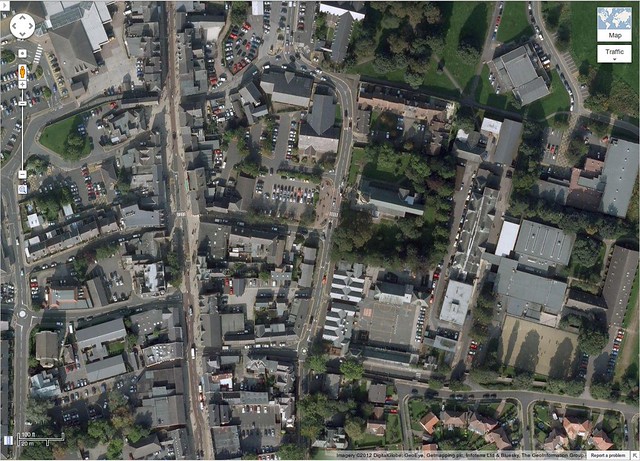
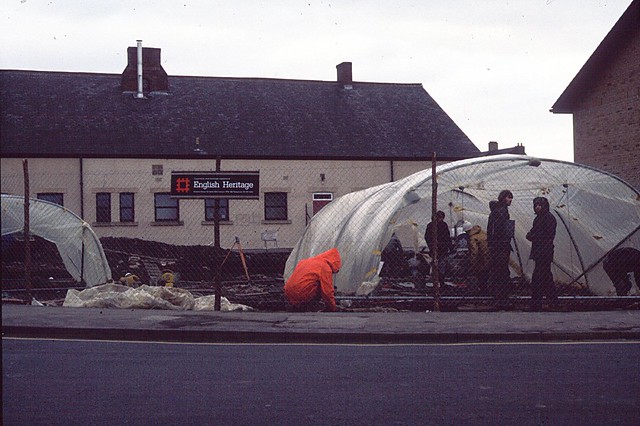
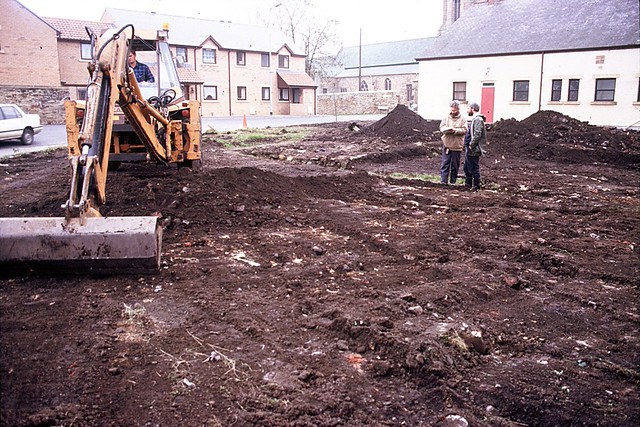
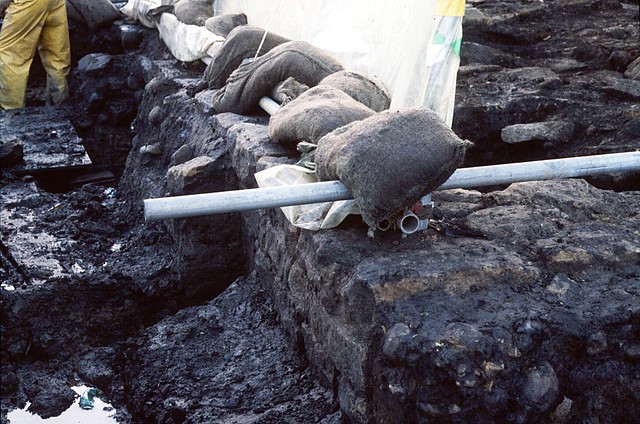
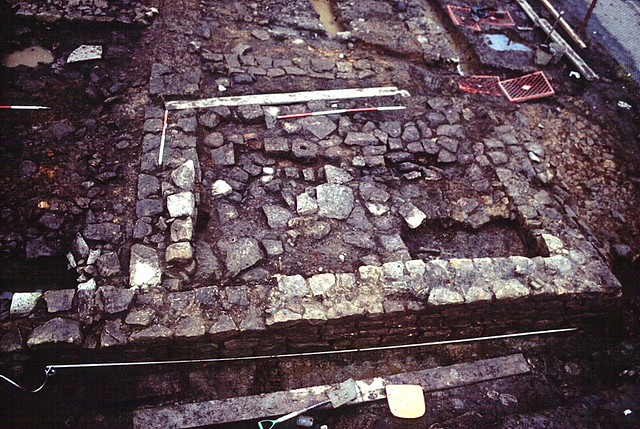
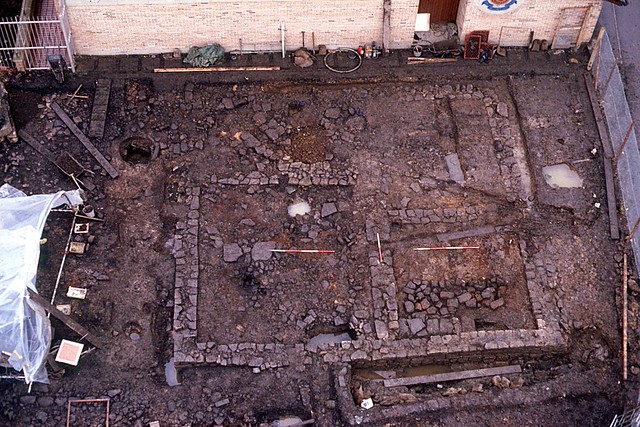
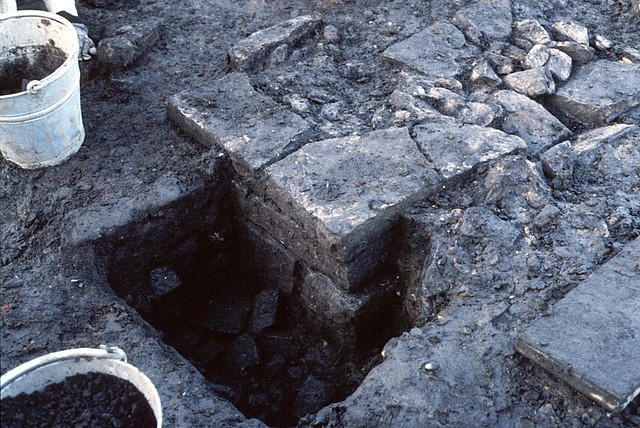
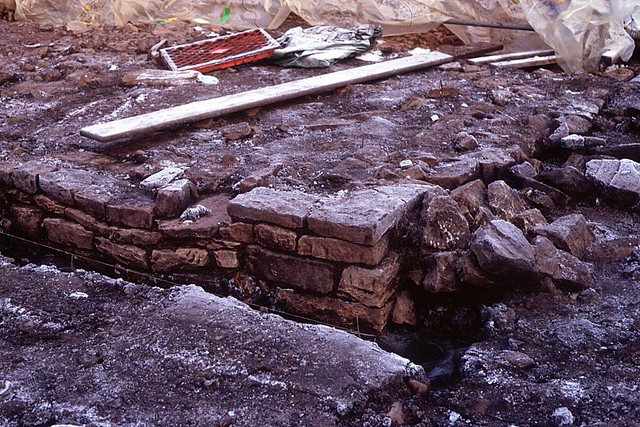
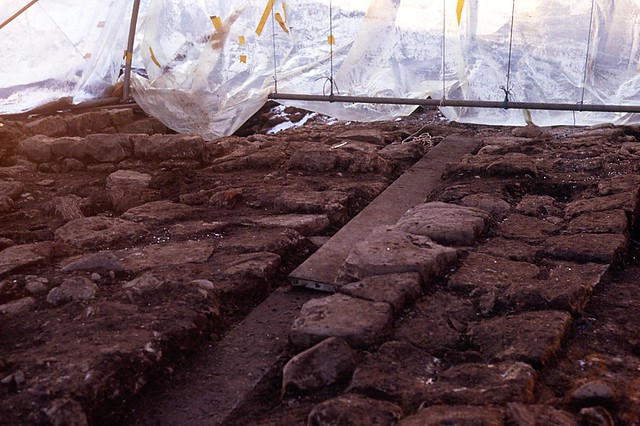
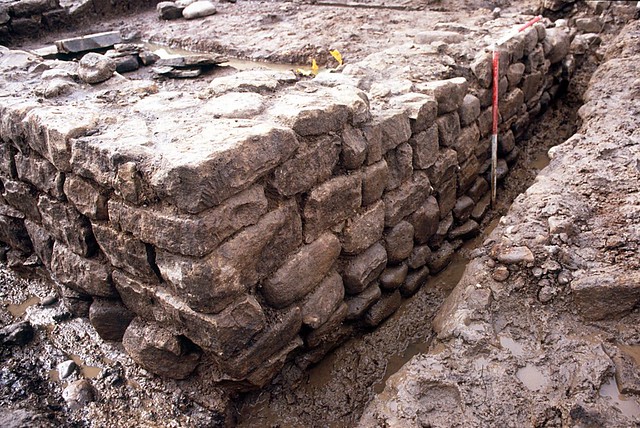
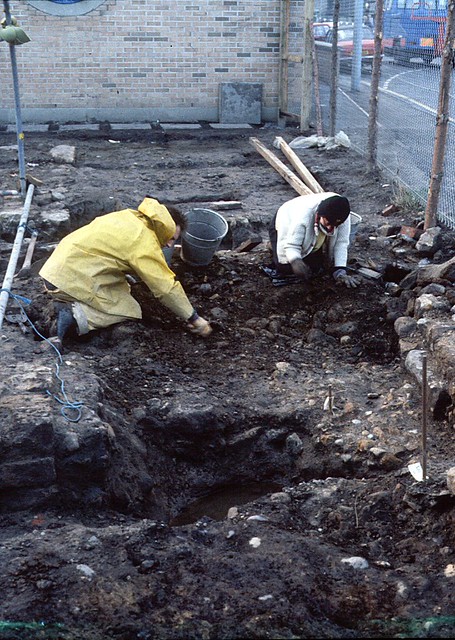
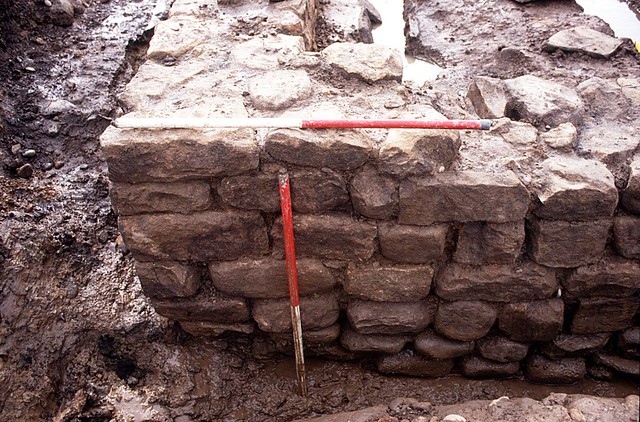
Concangis (modern-day Chester-le-Street) was an auxiliary fort established by the Romans in the late 70s AD. It was situated on a high bluff, guarding the River Wear and Cong Burn crossings, and an important branch route of Dere Street, which led north to Pons Aelius (Newcastle). The fort was built by the Ninth Legion (Legio IX Hispana) in timber, later rebuilt in stone by the Second Legion (Legio II Augusta) around the early 2nd century. The fort housed a cavalry unit and served as a key post until Roman withdrawal in 410 AD. Archaeological excavations found Roman remains over a large area and suggest the site of a vicus (civilian settlement) associated with the fort. After the Romans, there's little recorded here until 883 AD, when monks from Lindisfarne, fleeing the Vikings, brought St. Cuthbert's body to Concangis, establishing it as the seat of the Bishop of Lindisfarne.


from https://www.heritagegateway.o…
Concangis Roman Fort
- ....Chester-le-Street, a Roman cavalry station. Sufficient Roman material
has been found to prove occupation in Flavian times. Casual finds
over an area of 25 acres suggest an associated vicus here …
Added by
Simon Cotterill

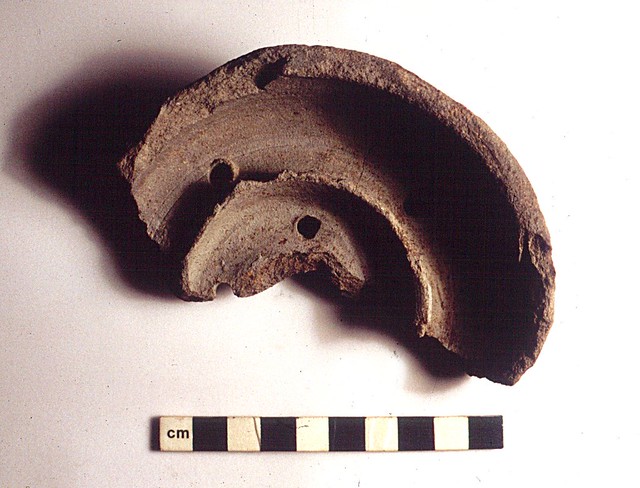

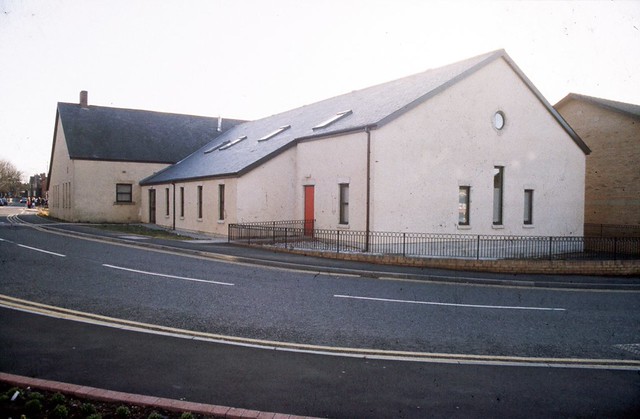
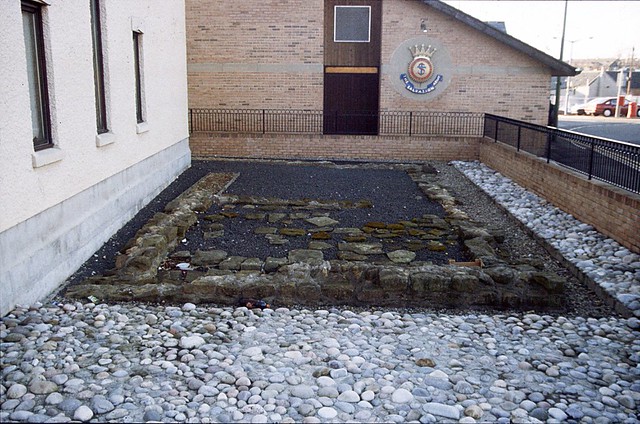
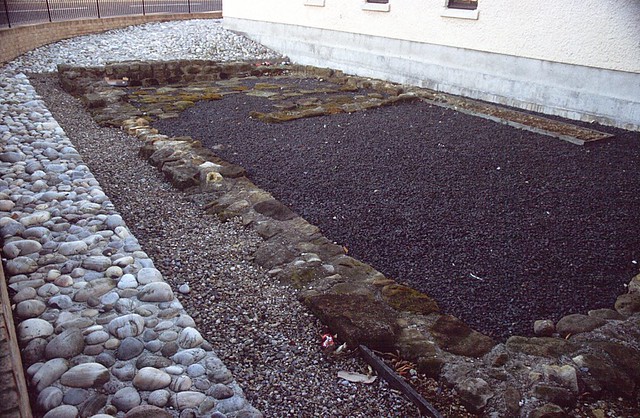

from https://www.roman-britain.co.…
Chester-le-Street (Concangis) Roman Fort
- Chester-le-Street Roman Fort was an auxiliary castra in the Roman province of Lower Britain (Britannia Inferior). Its ruins are located in Chester-le-Street, Durham, in England. It is situated 6 miles …
Added by
Simon Cotterill

from https://www.heritagegateway.o…
Concangis Roman Fort
- ....Chester-le-Street, a Roman cavalry station. Sufficient Roman material
has been found to prove occupation in Flavian times. Casual finds
over an area of 25 acres suggest an associated vicus here …
Added by
Simon Cotterill
from https://www.roman-britain.co.…
Chester-le-Street (Concangis) Roman Fort
- Chester-le-Street Roman Fort was an auxiliary castra in the Roman province of Lower Britain (Britannia Inferior). Its ruins are located in Chester-le-Street, Durham, in England. It is situated 6 miles …
Added by
Simon Cotterill