Topics > Northumberland > Holystone > Lady's Well
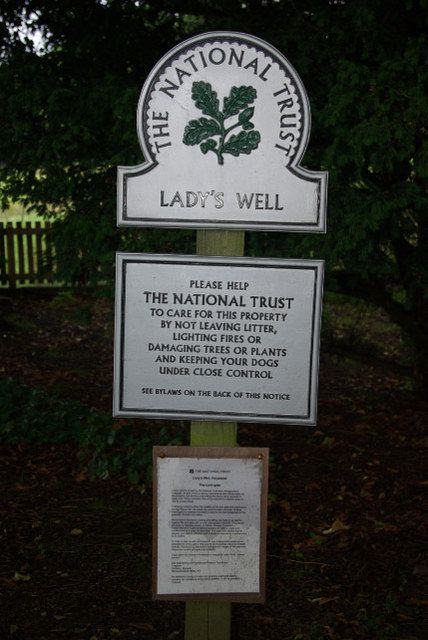
Lady's Well
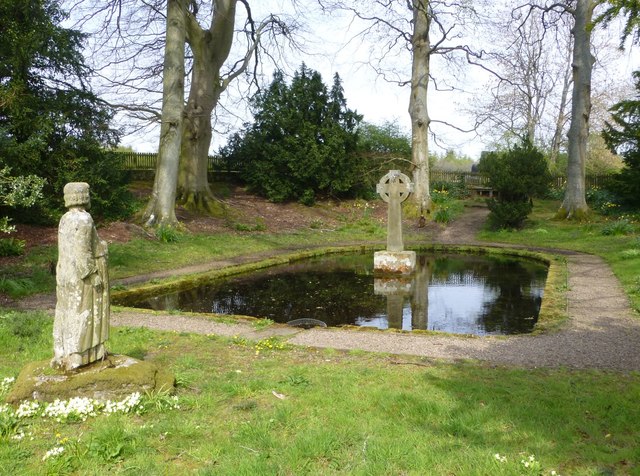
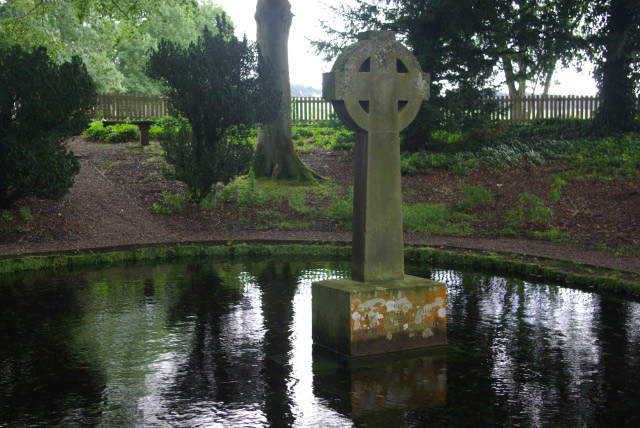
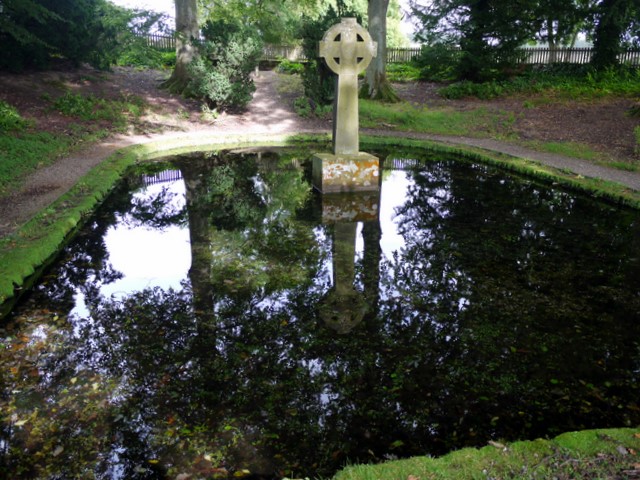
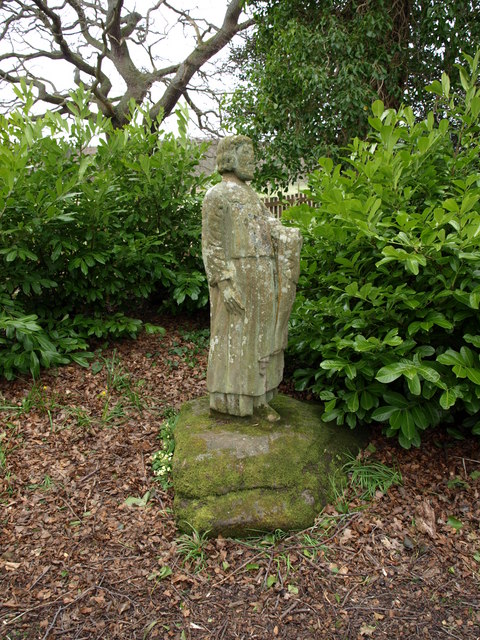
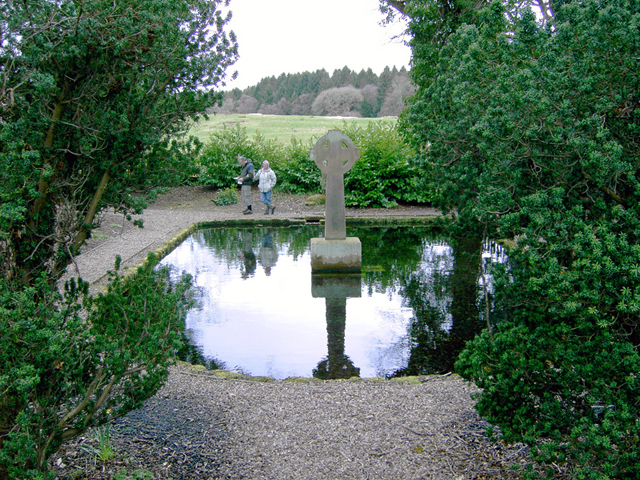
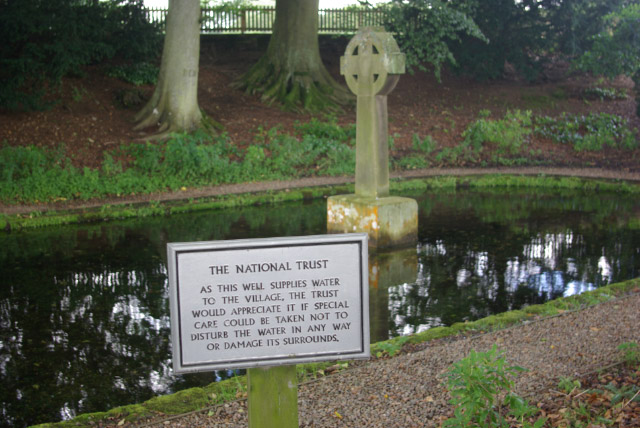
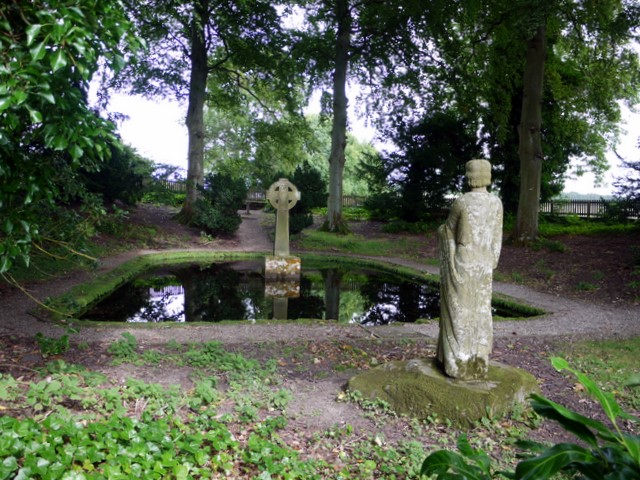
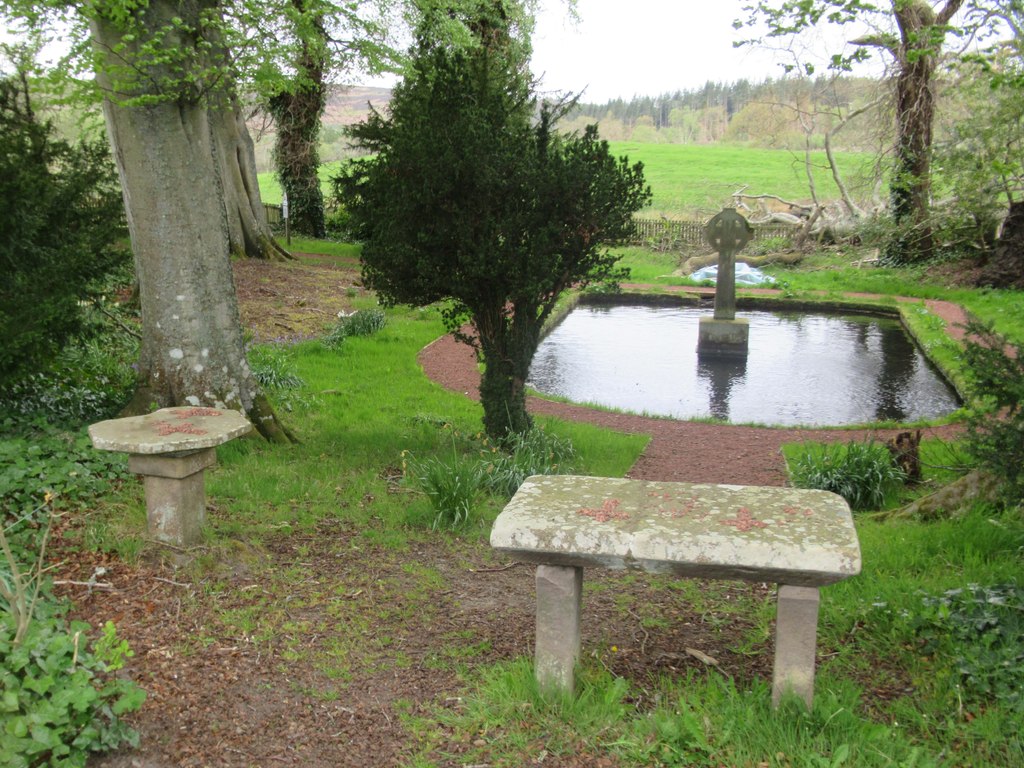 Lady's Well (aka St Ninian's Well) is a holy well located to the north-west of the village of Holystone in Northumberland. The course of the Roman road from the fort at High Rochester to the River Aln passes immediately south of the well. The spring-fed well was converted into a rectangular tank with stone walls, probably by the Romans. A large rough stone, lying at the east end of the well, known as 'the holy stone' from which the village is said to derive its name. After becoming ruinous, the tank and walls were repaired in 1780, at which time a 15h century statue on a pedestal added to the centre of the pool. In the mid-19th century, the statue was moved to the west of the tank, and replaced by a stone wheel cross. Local tradition links the well with St Ninian, who may have consecrated the well for Christian use. Lady's Well is Grade I listed on the National Heritage List for England and is also a Scheduled Monument (legally protected). Importantly, it is the source of Holystone's water supply.
Scheduled Monument (#1010519): The Lady's Well and section of Roman road
Click the headings below to expand (selected extracts from the Historic England scheduling)
The well at Holystone is a fine example and the best preserved well in Northumberland. Its putative longevity of use from the Roman period to modern times, in particular its association with early Christian use and an adjacent medieval nunnery renders this monument of considerable archaeological interest.
The Lady's, or St Ninian's, Holy well is situated on the north west side of the small village of Holystone, immediately north of the well established course of the Roman road from High Rochester Roman fort to the River Aln, and at the opposite end of the village from the site of a medieval Augustinian priory.
The main feature of the well today is a rectangular stone tank with a rounded north east end which measures 13m by 7.8m and is orientated south west to north east. This tank is considered to be of Roman origin located on a halting place along the Roman road. A natural spring feeds the tank, the water being filtered through fine sand at the bottom. In the medieval period the Augustinian nuns who inhabited the priory at Holystone gained possesion of the well and it is thought that the name Lady's Well may have been given at this time.
The well, which had been ruinous for some time, was repaired in 1780 when the stone edging walls were rebuilt and a 15th century stone statue was brought from Alnwick Castle and erected in the centre of the well. A stone table which resembles an altar is situated at the east end of the tank and this may also date from the 18th century repairs. In the second half of the 19th century the statue was removed from the centre of the well to the south west end and a stone cross erected in its place. The statue is situated within the socket hole of a large roughly squared stone of unknown origin and date but not unlike the base of a medieval cross.
The well has served a variety of functions during its long history; in early Christian times the myths surrounding it claim that it was a baptismal well, in the early 18th century it was a healing well but by the early 20th century it was a wishing well into which crooked pins and occasionally coins were thrown. It is today used as the water supply for the village of Holystone.
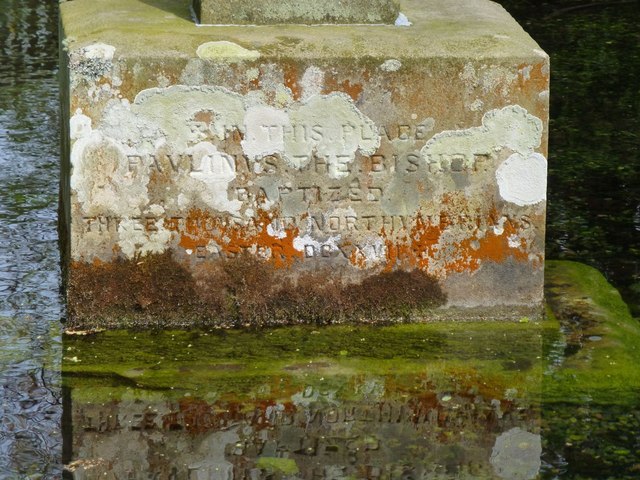
An ancient myth associated with the well states that in AD 627 Paulinus baptised 3000 Northumbrians at the well; it is now accepted that this myth stemmed from a misreading of the writings of the Venerable Bede, a monk and historian born near Jarrow around AD 673.
The name of St Ninian, Bishop of Whithorn in south western Scotland between AD 500 and AD 550, is also attached to the well although any association is unsubstantiated. The monument is also a listed building Grade I.
The course of a Roman road enters the well enclosure at its north western corner and passes immediately north of the water tank to leave the enclosure at the north eastern corner where it proceeds in a north westerly direction to cross the River Coquet.


from https://historicengland.org.u…
THE LADY'S WELL - Holystone - List Entry
- "Well or water tank, cross and statue. Tank possibly Roman,reconstructed 1788, statue possibly C15 but placed here 1788, cross late C19.
Roman water tank c. 15 x 10 yards given …
Added by
Simon Cotterill
from https://keystothepast.info/se…
Lady's Well, Holystone (Harbottle)
- St Ninian's Well, often called the 'Lady's Well', of established sanctity, has features of form and output which render it unique among the sacred springs of Northumberland. The well is …
Added by
Simon Cotterill

from https://www.geograph.org.uk/p…
Lady's Well, Holystone
- Lady's Well is a stone water tank of possible Roman date, fed by a natural spring. The well is alongside the Roman road between High Rochester and the River Aln. …
Added by
Simon Cotterill

from https://historicengland.org.u…
THE LADY'S WELL - Holystone - List Entry
- "Well or water tank, cross and statue. Tank possibly Roman,reconstructed 1788, statue possibly C15 but placed here 1788, cross late C19.
Roman water tank c. 15 x 10 yards given …
Added by
Simon Cotterill
from https://keystothepast.info/se…
Lady's Well, Holystone (Harbottle)
- St Ninian's Well, often called the 'Lady's Well', of established sanctity, has features of form and output which render it unique among the sacred springs of Northumberland. The well is …
Added by
Simon Cotterill
from https://www.geograph.org.uk/p…
Lady's Well, Holystone
- Lady's Well is a stone water tank of possible Roman date, fed by a natural spring. The well is alongside the Roman road between High Rochester and the River Aln. …
Added by
Simon Cotterill



List number: 1041283
Keys to the Past HER: N1209
County: Northumberland
Grid ref: NT9528202913


