Topics > Historical Periods > Iron Age > Hillfort
Hillfort
Hillforts were fortified settlements, usually built on hilltops, ridges, or rocky outcrops. They were protected by one or more layers of earthen banks and ditches. While most were elevated on high ground, there were also "marsh forts", built in low-lying wetlands. Hillforts were originally constructed and inhabited between 900 and 100 BC. Later, some hillfort sites were repurposed for other uses, such as medieval castles.

Co-Curate Page
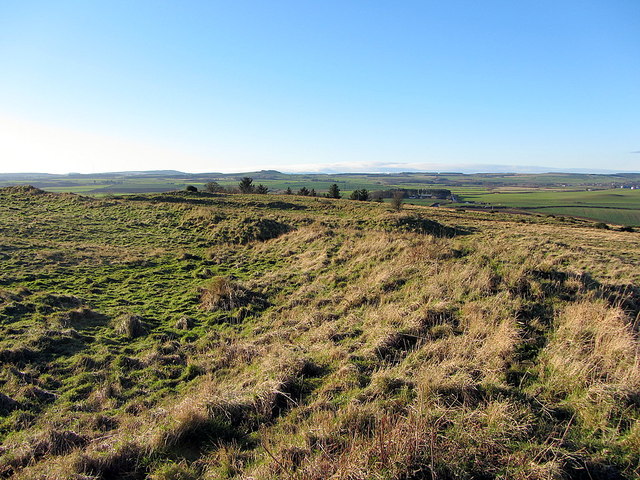
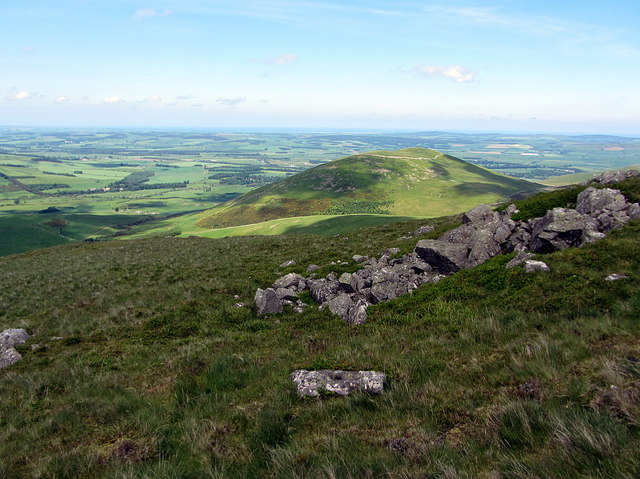
Hillfort, Yeavering Bell
- The remains of an Iron Age Hillfort are located on Yeavering Bell, a hill near Yeavering and Kirknewton in Northumberland. It was one of the largest known Iron Age hillforts in …

Co-Curate Page
Pawston Hill - Iron Age Hillfort
- The remains of an Iron Age hillfort are located on Pawston Hill, located to the south-west of the hamlet of Pawston and just to the north-west of Pawston Lake in …
Co-Curate Page
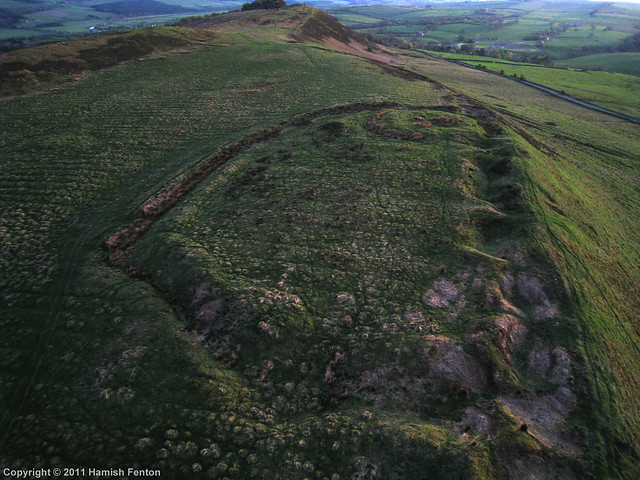
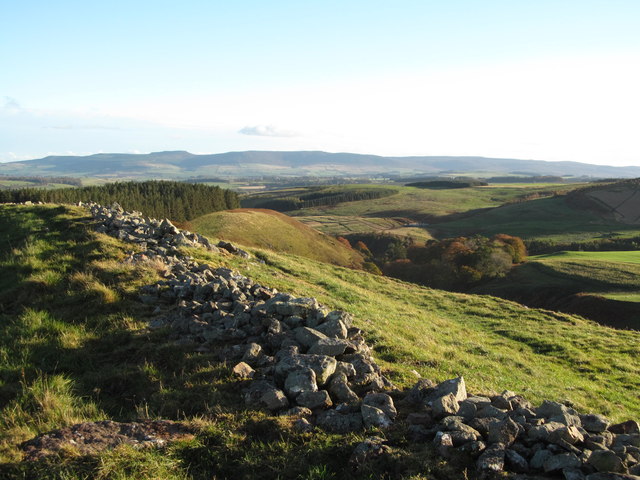
Hillfort and Roman signal station, Barcombe Hill
- Overview Map The remains of an Iron Age defended settlement and Roman signal station are located on Barcombe Hill, about 2½ miles north of Bardon Mill in Northumberland. The Roman …
Co-Curate Page
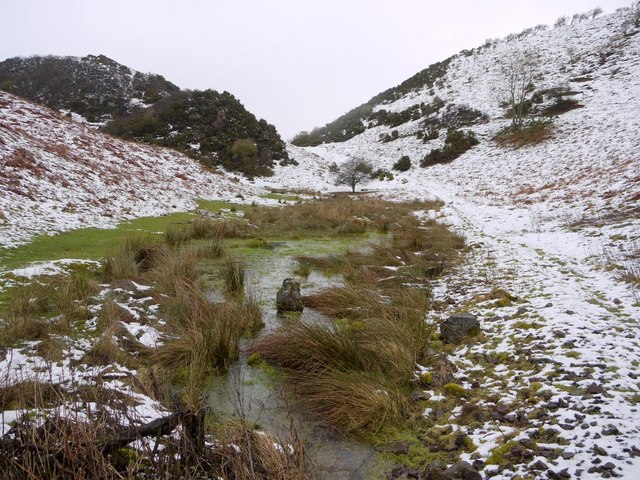
Castle Hill camp, near Alnham
- Overview Map Castle Hill is located about ¼ mile north-east of Old Hazeltonrig and 1½ miles west of the hamlet of Alnham in Northumberland. At the summit of the hill …
Co-Curate Page
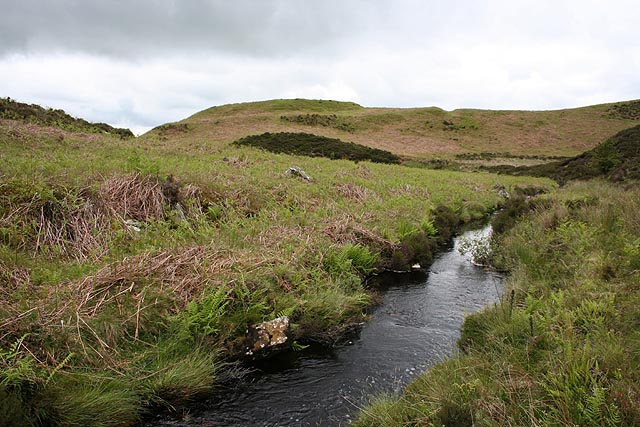
Kettles Hillfort, near Wooler
- The Kettles is the earwork remains of an Iron Age and Roman hill fort and settlement near Earle and Wooler in Northumberland.[1] The fort occupies a natural ridge protected on …
Co-Curate Page
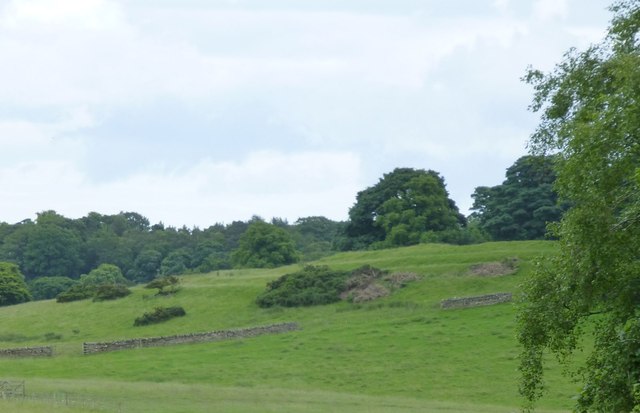
Slate Hill Settlement Earthworks, Bolam
- Overview Map Remains of a defended Iron Age settlement around the top of Slate Hill, just north of Bolam Lake in Northumberland. The ruins are a Sheduled Monument.
Co-Curate Page
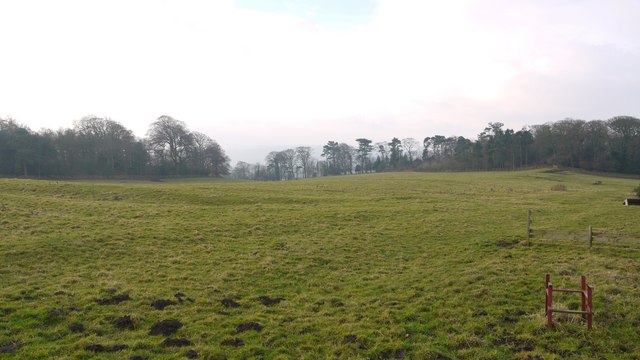
Site of Iron Age Settlement, Houghton
- Overview Aerial View To the south-west of Houghton in Northumberland, by Broomy Hill, are the remains of an Iron Age defended settlement. The remains are not easily visible as most of the defensive …

from https://historicengland.org.u…
Introductions to Heritage Assets - Hillforts
- Historic England, October 2018. "An introduction to hillforts. As the name implies, hillforts are defended places, surrounded by one or more circuits of banks and ditches, and generally placed on …
Added by
Simon Cotterill

Co-Curate Page
Hillfort, Yeavering Bell
- The remains of an Iron Age Hillfort are located on Yeavering Bell, a hill near Yeavering and Kirknewton in Northumberland. It was one of the largest known Iron Age hillforts in …
Co-Curate Page
Pawston Hill - Iron Age Hillfort
- The remains of an Iron Age hillfort are located on Pawston Hill, located to the south-west of the hamlet of Pawston and just to the north-west of Pawston Lake in …
Co-Curate Page
Hillfort and Roman signal station, Barcombe Hill
- Overview Map The remains of an Iron Age defended settlement and Roman signal station are located on Barcombe Hill, about 2½ miles north of Bardon Mill in Northumberland. The Roman …
Co-Curate Page
Castle Hill camp, near Alnham
- Overview Map Castle Hill is located about ¼ mile north-east of Old Hazeltonrig and 1½ miles west of the hamlet of Alnham in Northumberland. At the summit of the hill …
Co-Curate Page
Kettles Hillfort, near Wooler
- The Kettles is the earwork remains of an Iron Age and Roman hill fort and settlement near Earle and Wooler in Northumberland.[1] The fort occupies a natural ridge protected on …
Co-Curate Page
Slate Hill Settlement Earthworks, Bolam
- Overview Map Remains of a defended Iron Age settlement around the top of Slate Hill, just north of Bolam Lake in Northumberland. The ruins are a Sheduled Monument.
Co-Curate Page
Site of Iron Age Settlement, Houghton
- Overview Aerial View To the south-west of Houghton in Northumberland, by Broomy Hill, are the remains of an Iron Age defended settlement. The remains are not easily visible as most of the defensive …
from https://historicengland.org.u…
Introductions to Heritage Assets - Hillforts
- Historic England, October 2018. "An introduction to hillforts. As the name implies, hillforts are defended places, surrounded by one or more circuits of banks and ditches, and generally placed on …
Added by
Simon Cotterill