Topics > County Durham > Bowes
Bowes
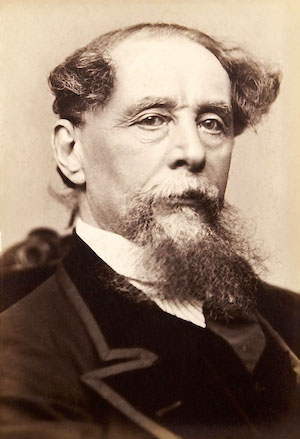
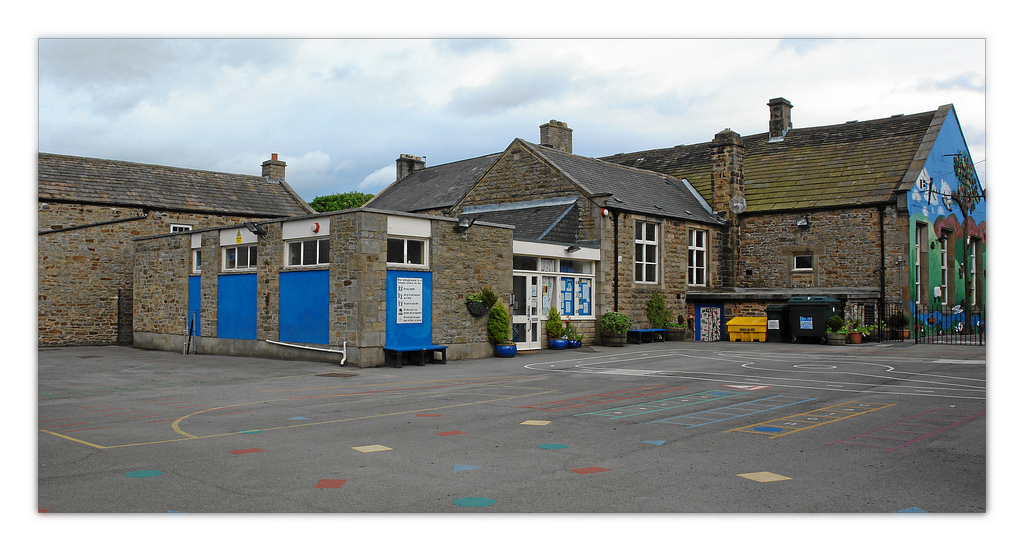
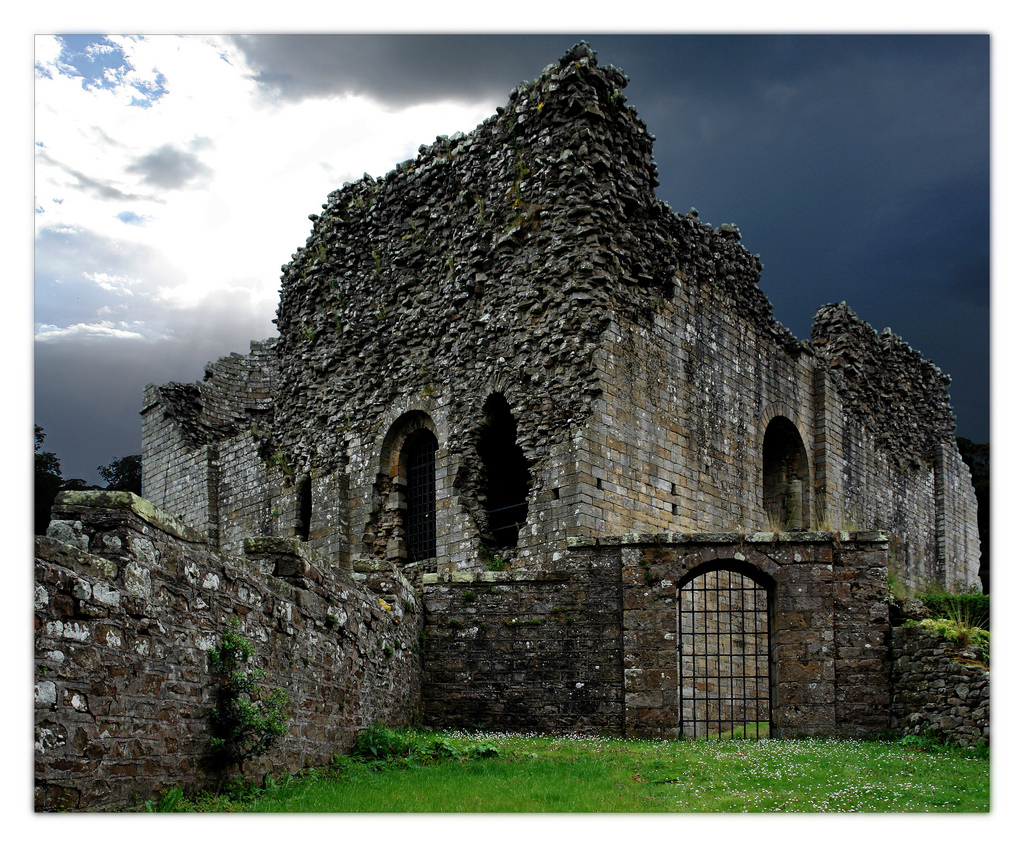
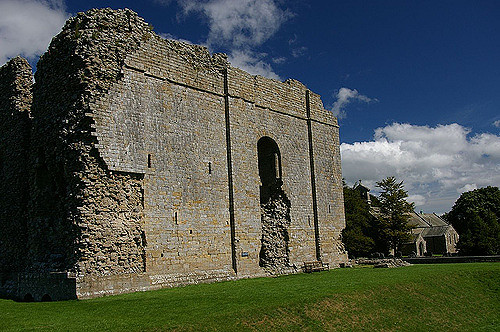
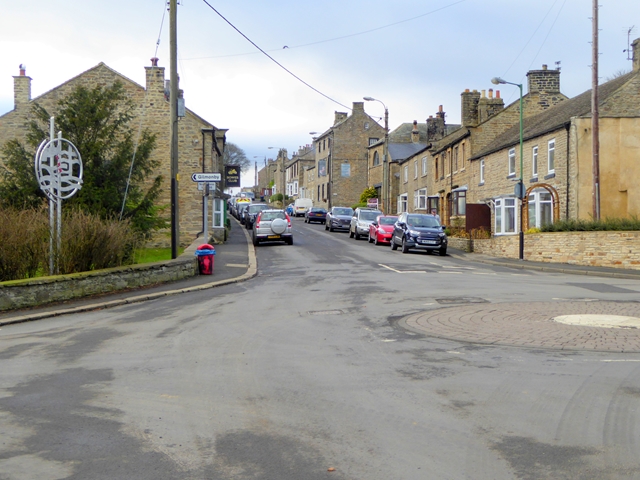
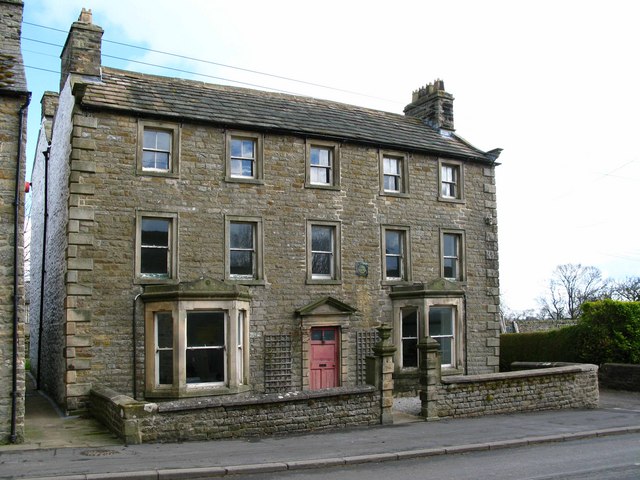
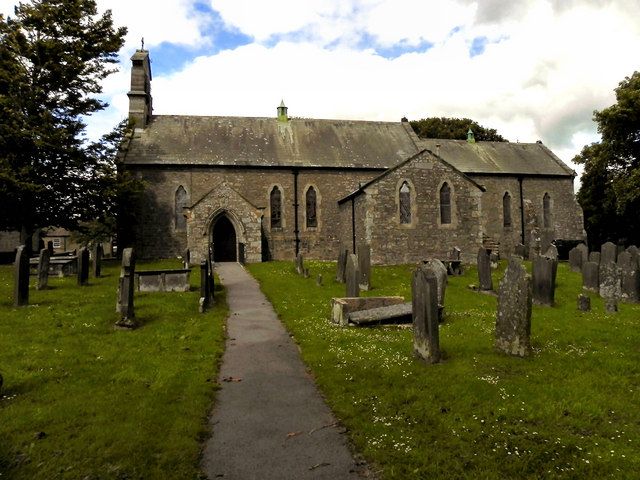
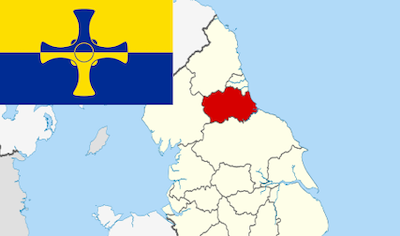
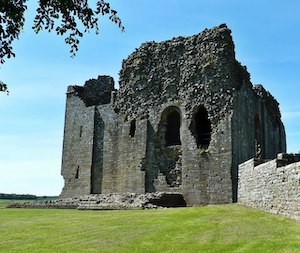
Bowes is a village in County Durham situated in the Pennines, by the River Greta, and located about 24 miles south-west of Durham and 18 miles west of Darlington. It includes the site of the 1st-century Lavatrae Roman fort. Within the perimeter of this fort stands the 12th-century Bowes Castle, constructed for Henry II. Nearby, is the 12th-century St. Giles Church, which, like the castle, utilized stone from the surrounding Roman fortifications. There are several 17th and 18th century buildings along The Street in Bowes. In 1838, Charles Dickens visited Shaw's Academy, a harsh boarding school here (Dotheboys Hall), providing inspiration for his novel Nicholas Nickleby. Todays Bowes Hutchinson's School in the village provides a somewhat more friendly learning environment! Historically, the ancient parish of Bowes was part of the North Riding of Yorkshire. It became part of County Durham in 1974. Today, the village and wider surrounding area form Bowes Civil Parish.
Bowes is a village in County Durham, England. Located in the Pennine hills, it is situated close to Barnard Castle. It is built around the medieval Bowes Castle.
Geography and administration
Civic history
Bowes lies within the historic county boundaries of the North Riding of Yorkshire, but along with the rest of the former Startforth Rural District it was incorporated into the non-metropolitan county of Durham for administrative purposes on 1 April 1974, under the provisions of the Local Government Act 1972.
The A66 and A67 roads meet at Bowes.
History
The Roman name for Bowes was Lavatrae. A Roman fort was located there, which was re-used as the site for Bowes Castle.
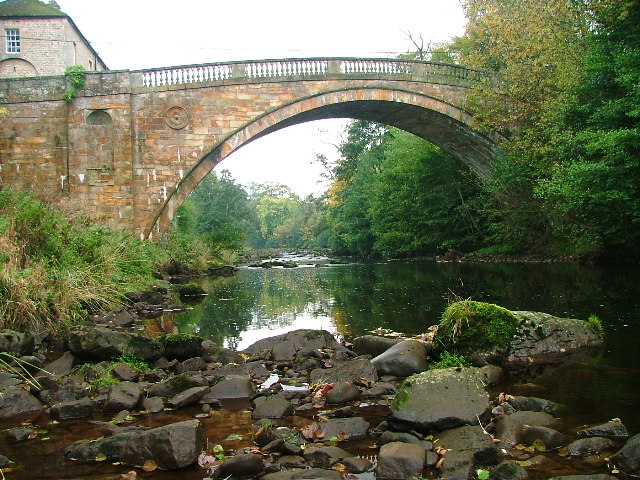
The place-name 'Bowes' is first attested in a charter of 1148, where it appears as Bogas. This is the plural of the Old English boga meaning 'bow', probably signifying an arched bridge.
The village church is dedicated to St Giles.
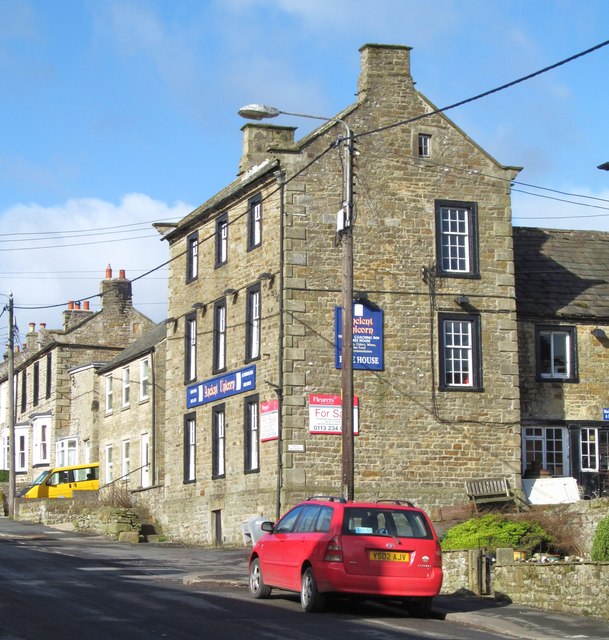
The only pub in the village, The Ancient Unicorn, is reputed to be haunted by several ghosts. This 17th-century coaching inn famously played host to Charles Dickens as he toured the local area. Dickens found inspiration in the village academy, which he immortalised as Dotheboys Hall in Nicholas Nickleby, and the graves of two of the people who inspired characters portrayed by the great author can be seen in Bowes churchyard to this day. William Shaw (1782-1850) was the headmaster of The Bowes Academy, and is said to have been the model for Wackford Squeers in Nicholas Nickleby – they share the same initials. And George Ashton Taylor, who died in 1822 aged 19, apparently inspired Dickens to create the character of Smike in the same novel.
From 1861 to 1962, the village was served by Bowes railway station.
Education
Bowes has a single primary school at the centre of the village, Bowes Hutchinson's C of E (Aided) Primary School.
Notable people
- Thomas Kipling (bap. 1745, d. 1822), dean of Peterborough, was born in Bowes.
- John Bailey (1750–1819), mathematician and land surveyor was born in Bowes.
- Richard Cobden (1804–65), manufacturer and politician, was schooled in Bowes.

from Newcastle University (youtube)
Down In The Quarry - Something Stirred! (1930)
Pinned by Simon Cotterill
Co-Curate Page
Bowes Parish, 1848
- BOWES (St. Giles), a parish, in the union of Teesdale, wapentake of Gilling-West, N. riding of York, 6 miles (W. by N.) from Greta-Bridge; containing 850 inhabitants, of whom 763 …
from https://metalanddust.org/2015…
Bowes Railway Station
- "Along with other vestigial remains of the South Durham & Lancashire Union Railway, Bowes Railway Station looks like it could have been put there by aliens. Tracing the line is …
Added by
Peter Smith

Co-Curate Page
Historic Buildings and Monuments in Bowes Civil Parish
- Listed buildings and scheduled monuments in Bowes Civil Parish, County Durham, from the National Heritage List for England[1]. In the absence of a published 'local list', some other public buildings …



from Newcastle University (youtube)
Down In The Quarry - Something Stirred! (1930)
Pinned by Simon Cotterill
Co-Curate Page
Bowes Parish, 1848
- BOWES (St. Giles), a parish, in the union of Teesdale, wapentake of Gilling-West, N. riding of York, 6 miles (W. by N.) from Greta-Bridge; containing 850 inhabitants, of whom 763 …
from https://metalanddust.org/2015…
Bowes Railway Station
- "Along with other vestigial remains of the South Durham & Lancashire Union Railway, Bowes Railway Station looks like it could have been put there by aliens. Tracing the line is …
Added by
Peter Smith
Co-Curate Page
Historic Buildings and Monuments in Bowes Civil Parish
- Listed buildings and scheduled monuments in Bowes Civil Parish, County Durham, from the National Heritage List for England[1]. In the absence of a published 'local list', some other public buildings …
County Durham

Bowes and Gilmonby Village Hall
Bowes Castle

Bowes Conservation Area
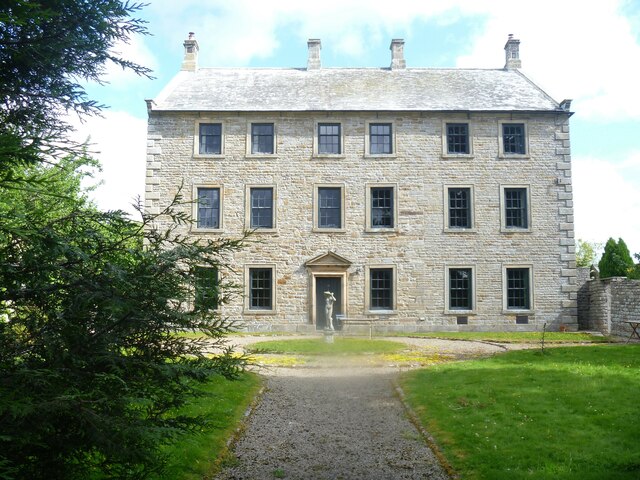
Bowes Hall

Bowes Hutchinson’s Primary School

Bowes Social Club
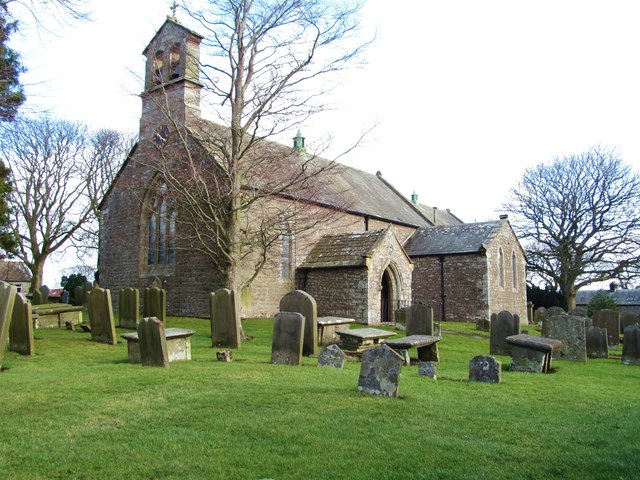
Church of St Giles, Bowes
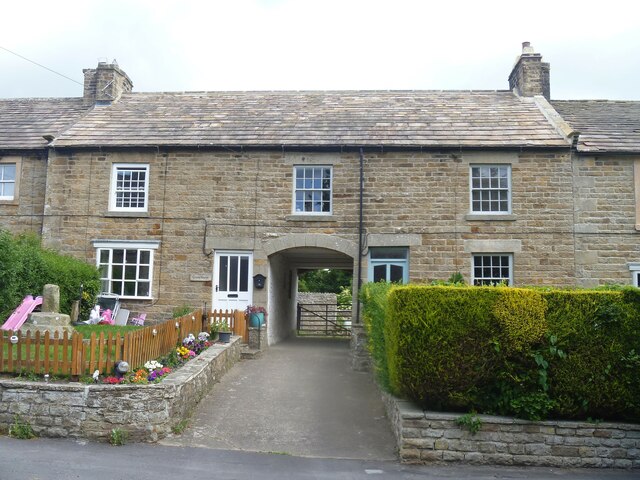
Cross House and Church View, Bowes

Dotheboys Hall, Bowes

Lavatrae Roman Fort
Map and Aerial View of Bowes

Medieval Wayside Cross, Bowes
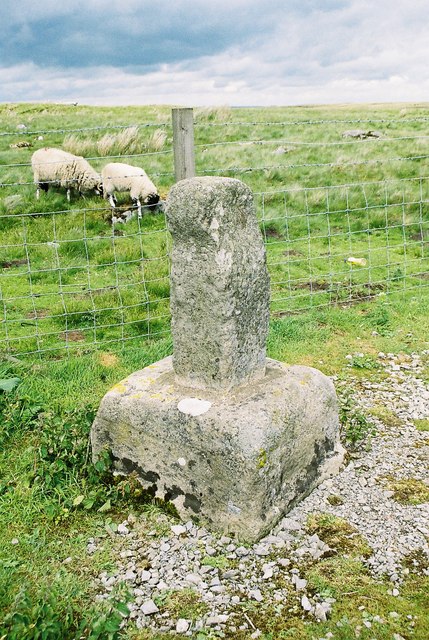
Rey Cross, Bowes

The Ancient Unicorn, Bowes

The Grove (house), Bowes