Topics > Northumberland > Civil Parishes in Northumberland > Haydon Civil Parish > Staward Pele
Staward Pele
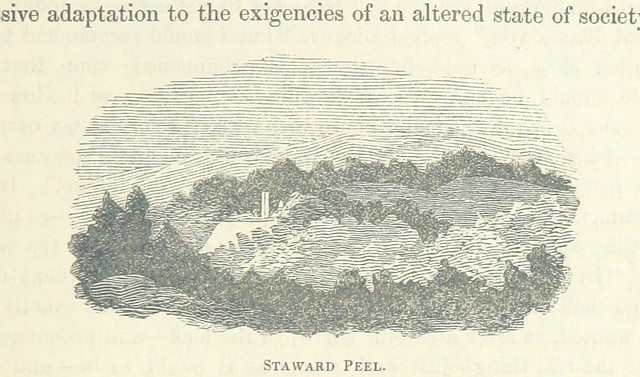
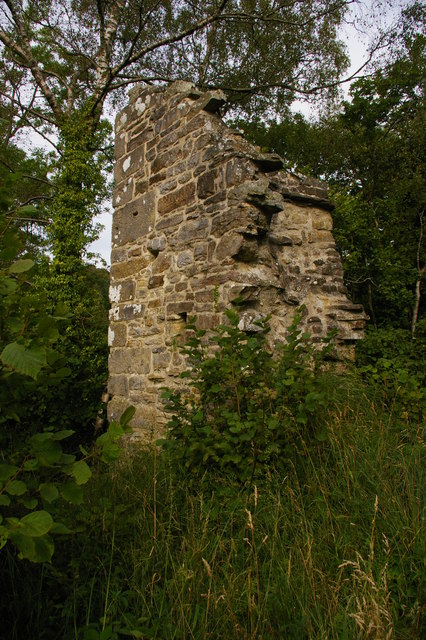
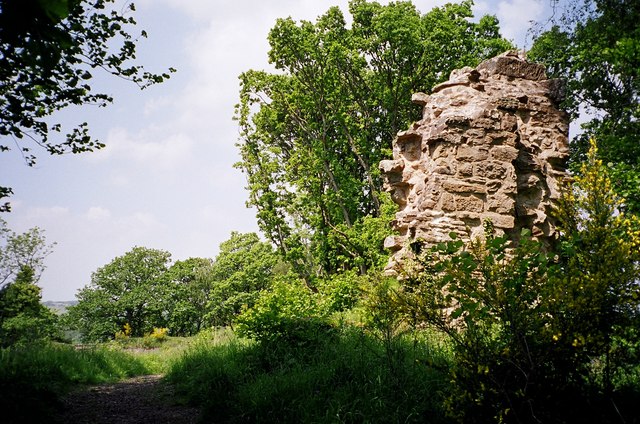
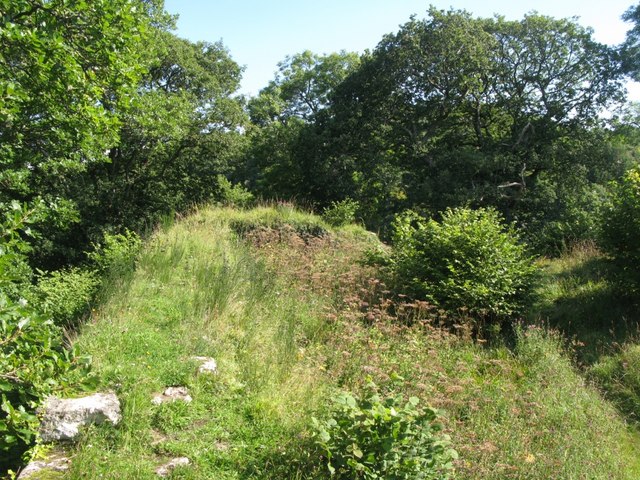
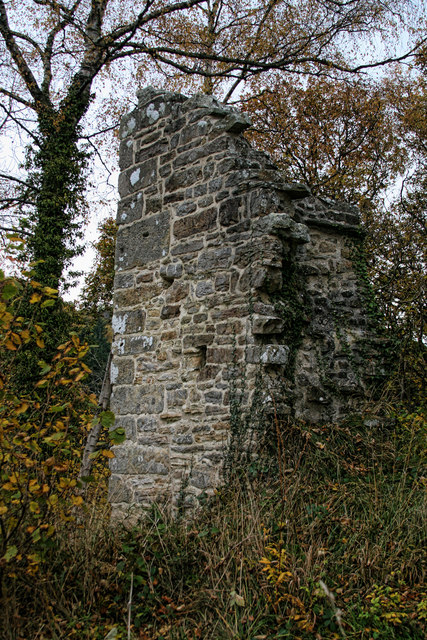
The ruins of Staward Pele (tower) are situated on a highly defensible promontory which over looks the River Allen as it flows through Steward Gorge. A timber pele was built here in 1316 by Antony de Lucy of Langley. In 1326, King Edward II annexed part of Lucy’s land and noting it's naturally defensible position asked that more substantial defences be built. The stone pele was built by Thomas de Featherstonehaugh. It passed to Queen Phillippa and then to to her son Edmund of Langley, the Duke of York, who in 1385, rented the site to Hexham Priory. It was part of the estate of Hexham Priory until the Dissolution of the Monesteries in 1536.[1] In the 18th century the pele,still a substantial ruin, was occupied by Dickey of Kingswood, a notorious Border Reiver. The ruins of Staward Pele and it's gatehouse are both Grade II listed; together, along with the associated medieval ditches, the site is a Scheduled Monument.
Scheduled Monument (#1006592): Staward pele
Click the headings below to expand (selected extracts from the Historic England scheduling)
All surviving solitary towers retaining significant medieval remains will normally be identified as nationally important. Staward pele is a large example of a pele tower and is notable due to its prominent landscape position, associated defences and the unique character of its highly defensible position. The monument will contain archaeological deposits relating to its construction, use and abandonment. The monument provides insight into the character of defensive structures in the Borders during the medieval period.
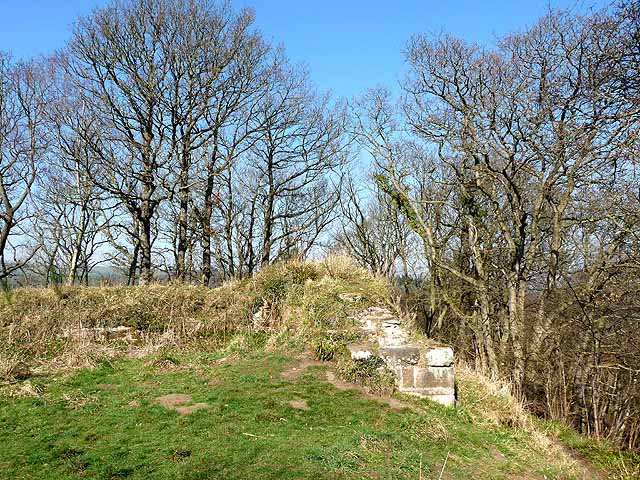
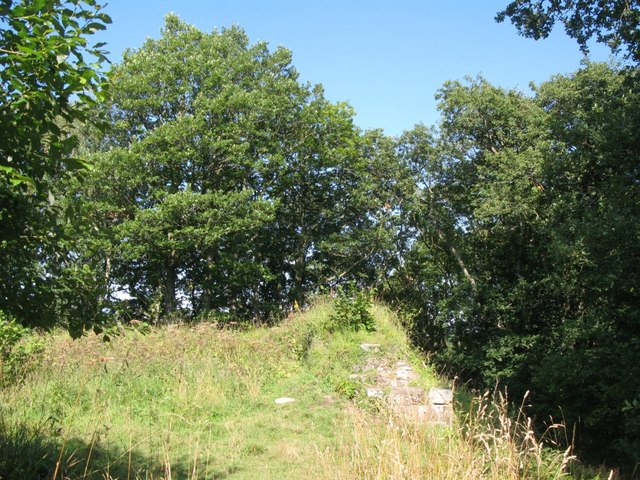
This monument includes the remains of a pele, gatehouse and associated ditches of medieval date, situated on a highly defensible narrow tongue-shaped promontory immediately over looking the gorge of the River Allen. Three sides of the rectangular structure of the pele are preserved describing a rectangular structure approximately 25m by 16.5m externally.
The full length of the north west walls and parts of the north east and south west walls are upstanding. The walls are 2.3m thick and stand above a triple stepped plinth to a maximum height of roughly 3.5m. The external wall faces are constructed from close jointed squared stone of ashlar quality. The pele is situated on a promontory that was unapproachable from the north and only approachable by a narrow strip of land to the south east, where it was defended by a ditch and gatehouse, and from the north west where it was defended by a second ditch.
The gatehouse is preserved as an upstanding wall 5m high and 3m long. It is constructed largely of reused masonry, some of which is Roman in date. One of the quoins of the gatehouse was a reused Roman altar and has been removed to Staward Manor. The gatehouse is a freestanding building and is protected to the east by a ditch up to 2m deep crossed by a narrow causeway. A second more substantial ditch is situated to the west of the pele tower and is up to 3.4m deep.
A timber pele was built on the site in 1316 by Antony de Lucy of Langley. In 1326 Edward II annexed part of Lucy’s land and noting the defensible nature of the site asked for tenders for a larger defendable complex to be built. Thomas de Featherstonehaugh answered the request and built the fortification. The site passed to Queen Phillippa and then to Edmund, Duke of York. The duke rented the site to Hexham Priory in 1385 until the Dissolution.


from https://historicengland.org.u…
Staward pele - List Entry (Scheduled Monument)
- "....This monument includes the remains of a pele, gatehouse and associated ditches of medieval date, situated on a highly defensible narrow tongue-shaped promontory immediately over looking the gorge of the …
Added by
Simon Cotterill

from https://historicengland.org.u…
Staward pele - List Entry (Scheduled Monument)
- "....This monument includes the remains of a pele, gatehouse and associated ditches of medieval date, situated on a highly defensible narrow tongue-shaped promontory immediately over looking the gorge of the …
Added by
Simon Cotterill