Topics > Historical Periods > Middle Ages (1154 to 1485 AD) > Moated Sites
Moated Sites
There are around 6,000 known Medieval moated sites in England. The greatest concentration are in Central and Eastern parts of the country, but there are relatively few in the North of England.[1]
The peak period during which moated sites were built was between 1250 and 1350 AD. They consist of wide ditches, often or seasonally water-filled, partly or completely enclosing one or more islands of dry ground on which stood domestic or religious buildings. Most of these sites served as prestigious aristocratic residences with the moat being a status symbol, rather than a military defence. Today, they are significant archaeological sites, which inform our understanding of the distribution of wealth and status in the Medieval feudal society.
To add:
- Low Butterby (County Durham)
- Bradley Hall (County Durham)
- Castle Eden (County Durham)
- Croxdale Hall (County Durham)
- Fawns Farm (Northumberland)
- Ferneyrigg (Northumberland)
- Fozy Moss (Northumberland)
- Outchester (Northumberland)
- Middleton Dean (Northumberland)
- Ogle (Northumberland)
- Pinchinthorpe Hall (Redcar & Cleveland)
- Easington (Recdar & Cleveland)
- Snittlegarth (Cumberland)
- Upper Denton (Cumberland)
- Netherhall Park (Cumberland)
- Wolsty Castle (Cumberland)
- Overwater Hall (Cumberland)
- Scaleby (Cumberland)
- Hallsteads (Westmorland &F)
- Bannisdale (Westmorland &F)
- Gale Bay (Westmorland &F)
- Hutton John (Westmorland &F)
- Moat Farm (Westmorland &F)
- Moorwell Bridge (Westmorland &F)
- Greystoke (Westmorland &F)
- Newton R. (Westmorland &F)
- Setterahpark Wood (Westmorland &F)
- Eastfield Sike (Westmorland &F)
- Blencow Old Hall (Westmorland &F)
- Burton (Westmorland &F)
- Crosby Ravensworth Hall (Westmorland &F)


Co-Curate Page
Wardley Medieval Moated Site
- Scheduled Monument areas - based on Historic England data (Open Government Licence). There are earthwork remains at Wardley, Gateshead, of a medieval moated site and associated ridge and furrow cultivation. …
Co-Curate Page
Summerhouse moated site
- Note: Map data from Historic England c/o Open Data UK, under the Open Government Licence, imported into Google MyMaps, March 2026 In medieval times there was a defended manor house …
Co-Curate Page
Low Dinsdale Manor House
- Note: Map data from Historic England c/o Open Data UK, under the Open Government Licence, imported into Google MyMaps, March 2026. The medieval manorial site at Low Dinsdale was the …
Co-Curate Page
Archdeacon Newton Medieval Settlement
- Note: Scheduled Monument area - map data from Historic England c/o Open Data UK, under the Open Government Licence, imported into Google MyMaps, March 2026. Archdeacon Newton is the site …
Co-Curate Page
Claxton medieval moated site
- Note: Scheduled Monument area - map data from Historic England c/o Open Data UK, under the Open Government Licence, imported into Google MyMaps, March 2026. The Claxton medieval moated site …
Co-Curate Page
Medieval moated site, Kirkoswald
- Scheduled Monument area - map data from Historic England c/o Open Data UK, under the Open Government Licence, imported into Google MyMaps, March 2026. This Medieval moated site is located …

Co-Curate Page
Moated site of Loweswater Pele
- % Scheduled Monument (#1013503): Moated site of Loweswater Pele Click the headings below to expand (selected extracts from the Historic England scheduling) Significance The moated site of Loweswater Peel is …
Co-Curate Page
Down Hall moated site, Aikton
- Note: Map data from Historic England c/o Open Data UK, under the Open Government Licence, imported into Google MyMaps, March 2026. There is a Medieval moated site, located at Down …
Co-Curate Page
Moated site near Cockbridge
- Scheduled Monument area - map data from Historic England c/o Open Data UK, under the Open Government Licence, imported into Google MyMaps, March 2026. Scheduled Monument (# 1007133 ): Moated …
Co-Curate Page
Embleton Moat
- The archaeological remains of a Medieval moat are located about ½ mile south-west of St Cuthbert's Church in Embleton, Cumbria, and about 2 miles south-east of Cockermouth. Now largely filled …
Co-Curate Page
Fenham Monastic Grange (ruins)
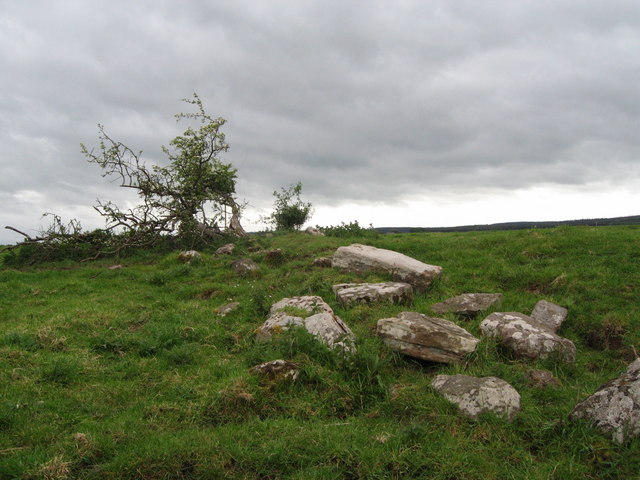
- Overview Map Aerial View % There are ruins of a monastic grange at Fenham in Northumberland - a farm complex owned by the Benedictine priory of Lindisfarne, on nearby Holy …

Co-Curate Page
Wardley Medieval Moated Site
- Scheduled Monument areas - based on Historic England data (Open Government Licence). There are earthwork remains at Wardley, Gateshead, of a medieval moated site and associated ridge and furrow cultivation. …
Co-Curate Page
Summerhouse moated site
- Note: Map data from Historic England c/o Open Data UK, under the Open Government Licence, imported into Google MyMaps, March 2026 In medieval times there was a defended manor house …
Co-Curate Page
Low Dinsdale Manor House
- Note: Map data from Historic England c/o Open Data UK, under the Open Government Licence, imported into Google MyMaps, March 2026. The medieval manorial site at Low Dinsdale was the …
Co-Curate Page
Archdeacon Newton Medieval Settlement
- Note: Scheduled Monument area - map data from Historic England c/o Open Data UK, under the Open Government Licence, imported into Google MyMaps, March 2026. Archdeacon Newton is the site …
Co-Curate Page
Claxton medieval moated site
- Note: Scheduled Monument area - map data from Historic England c/o Open Data UK, under the Open Government Licence, imported into Google MyMaps, March 2026. The Claxton medieval moated site …
Co-Curate Page
Medieval moated site, Kirkoswald
- Scheduled Monument area - map data from Historic England c/o Open Data UK, under the Open Government Licence, imported into Google MyMaps, March 2026. This Medieval moated site is located …
Co-Curate Page
Moated site of Loweswater Pele
- % Scheduled Monument (#1013503): Moated site of Loweswater Pele Click the headings below to expand (selected extracts from the Historic England scheduling) Significance The moated site of Loweswater Peel is …
Co-Curate Page
Down Hall moated site, Aikton
- Note: Map data from Historic England c/o Open Data UK, under the Open Government Licence, imported into Google MyMaps, March 2026. There is a Medieval moated site, located at Down …
Co-Curate Page
Moated site near Cockbridge
- Scheduled Monument area - map data from Historic England c/o Open Data UK, under the Open Government Licence, imported into Google MyMaps, March 2026. Scheduled Monument (# 1007133 ): Moated …
Co-Curate Page
Embleton Moat
- The archaeological remains of a Medieval moat are located about ½ mile south-west of St Cuthbert's Church in Embleton, Cumbria, and about 2 miles south-east of Cockermouth. Now largely filled …