Topics > Northumberland > Langley > Langley & Blaghill Lead Smelt Mills
Langley & Blaghill Lead Smelt Mills
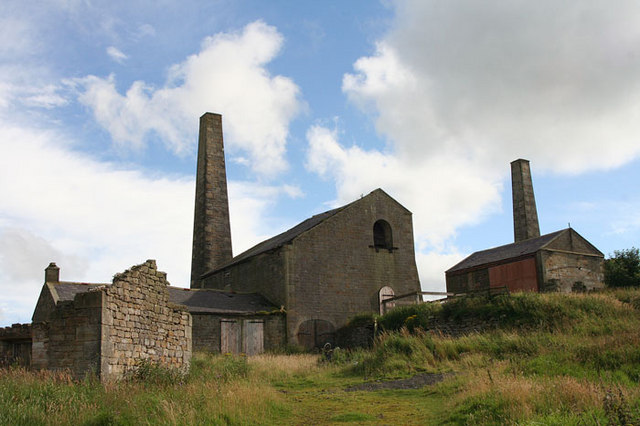
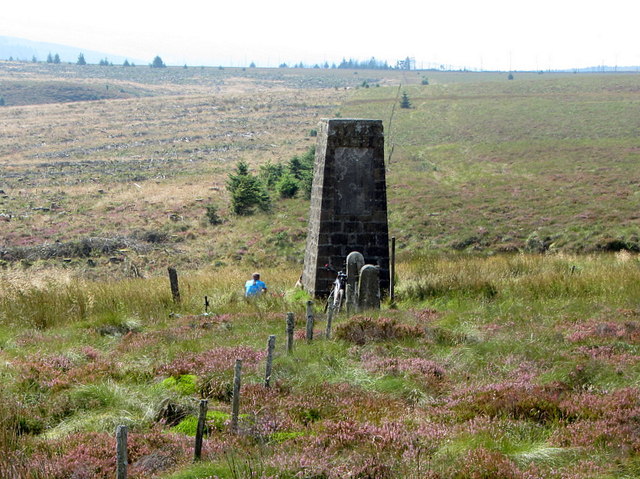
Langley and Blagill were adjacent lead smeltmills, sharing a massive, long horizontal flue system leading to the prominent Stublick Chimney to disperse poisonous fumes. The Langley smelt mill was built in 1768 by Greenwich Hospital (having been granted the Langley Baronry by the Crown in 1735, after the estates were forfeited by the Earl of Derwentwater after his part in the 1715 Jacobite Rebellion). In the 1780s the Greenwich Hospital built a second smeltmill next to, and downhill from Langley Mill. This second mill, known as Blagill Mill, used the tailrace water from Langley Mill and later shared the same flue system. In 1801-1803, the first section of a massive horizontal flue was constructed, which extended uphill from Langley Mill. By 1805, each mill had three ore hearths, a double refining furnace, a slag hearth, and roasting and reducing furnaces. The complexes each had a water powered stamp mill (for breaking the slag into smaller pieces prior to reprocessing). Between 1845 and 1860 the flue system was extended further by approximately 580m with a steam powered condenser installed before 1865. Coal for the smeltmills was provided by nearby Stublick Colliery Blagill Mill closed in the 1860s and Langley ceased operation in 1887. The remains of the complex feature extensive earthworks, remnants of the mills, and the intact chimney, representing a significant industrial landscape, its remains now protected as a Scheduled Monument.
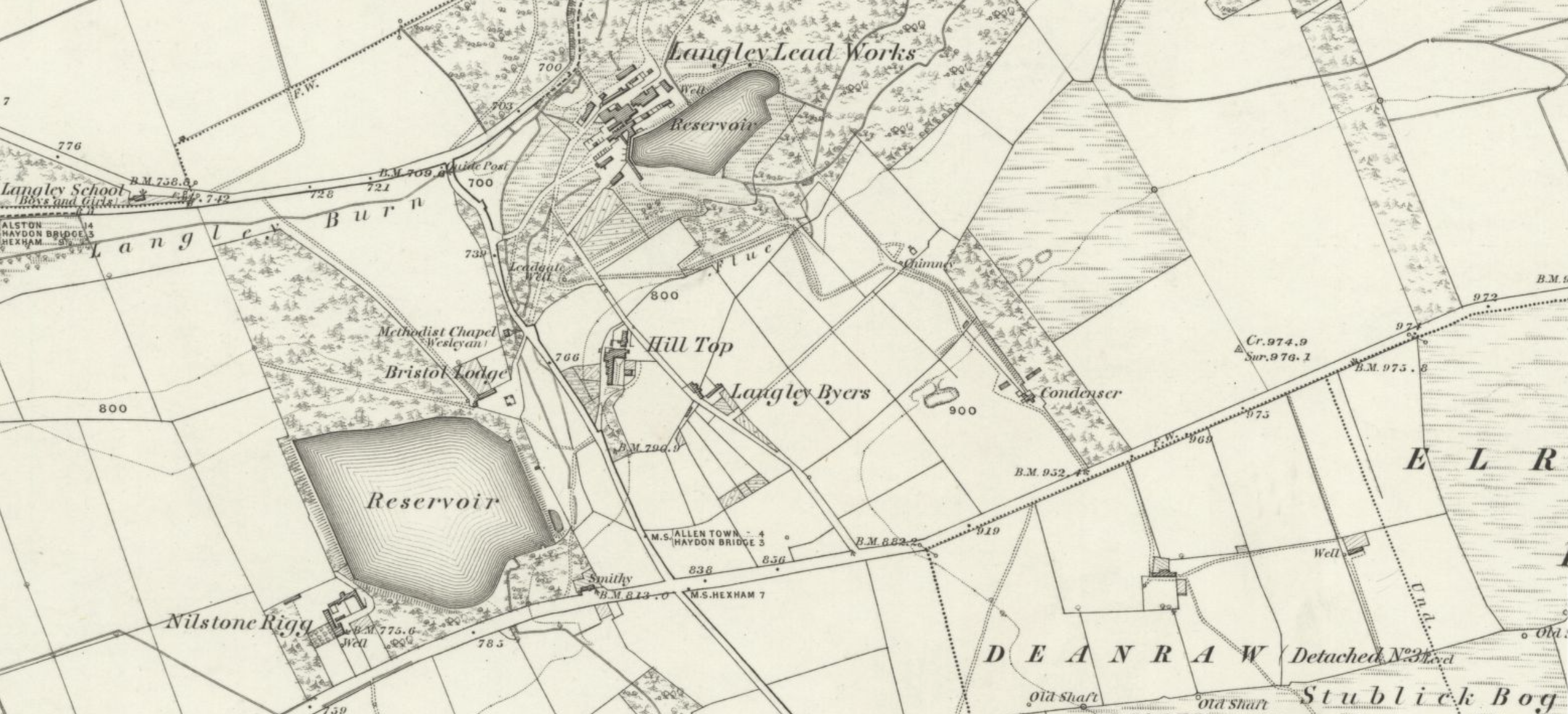
OS Map Extract showing Langley Lead Mill, surveyed 1860, CC-BY NLS


from Geograph (geograph)
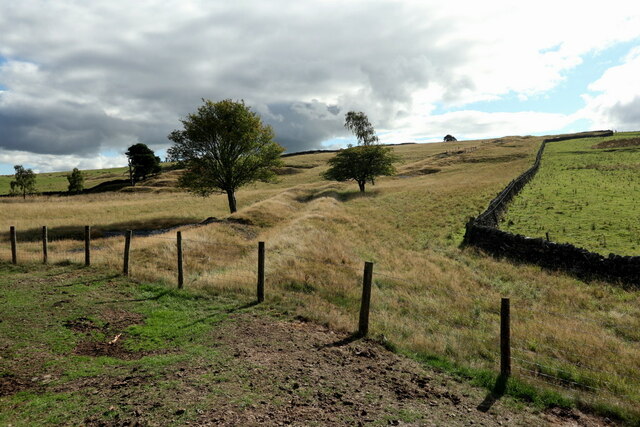
Course of horizontal flue of Langley & Blaghill Lead Smelt Mills
Pinned by Simon Cotterill
from Geograph (geograph)
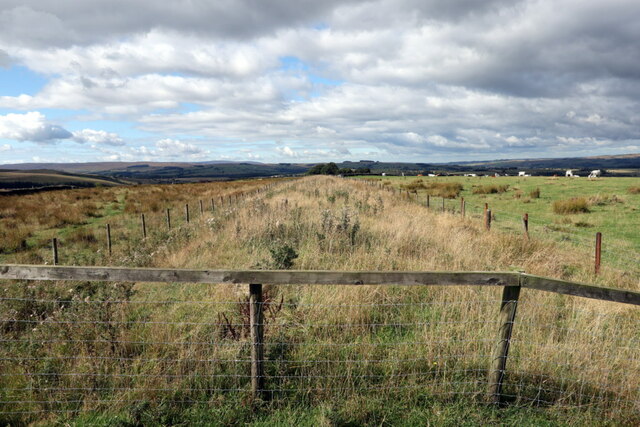
Course of horizontal flue of Langley & Blaghill Lead Smelt Mills
Pinned by Simon Cotterill

from Geograph (geograph)
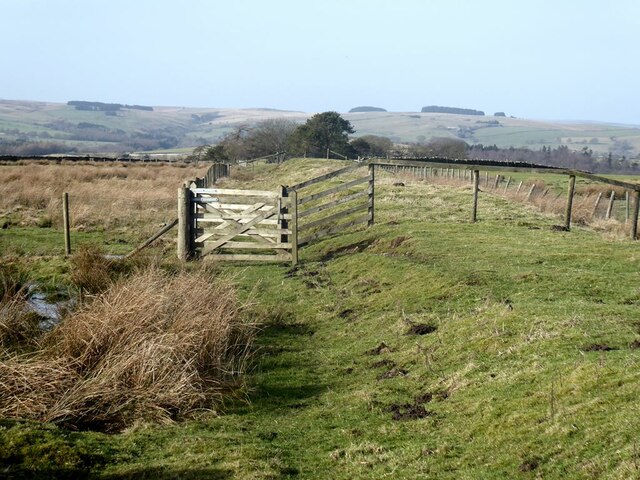
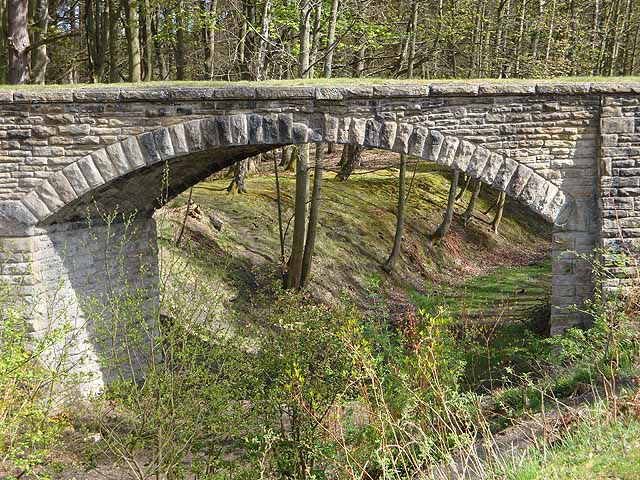
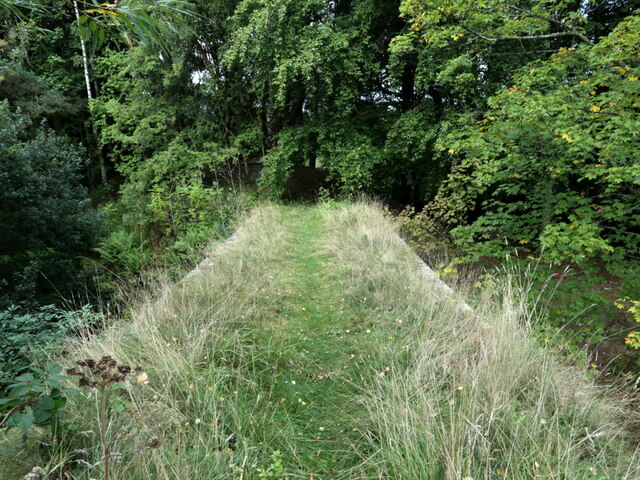
Langley Lead Smelt Mill Flue Bridge, east of Garden Station
Pinned by Simon Cotterill
from Geograph (geograph)
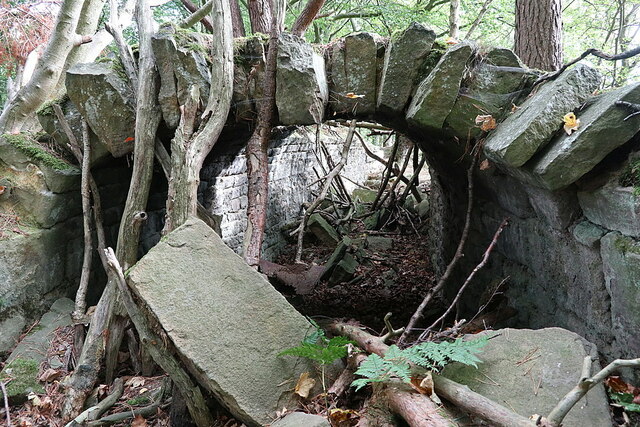
Surviving arch of horizontal flue near Langley Flue Bridge
Pinned by Simon Cotterill
from Geograph (geograph)
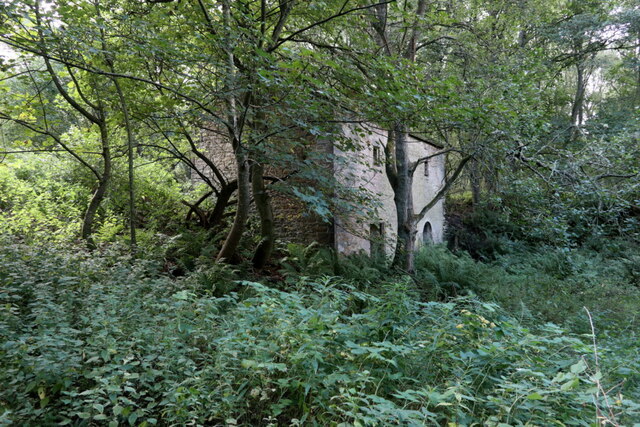
Remaining building of Langley & Blaghill Lead Smelt Mills
Pinned by Simon Cotterill
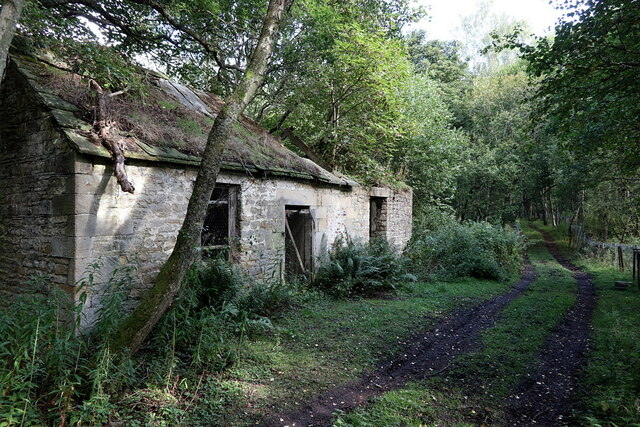
from Geograph (geograph)
Remaining building of Langley & Blaghill Lead Smelt Mills
Pinned by Simon Cotterill
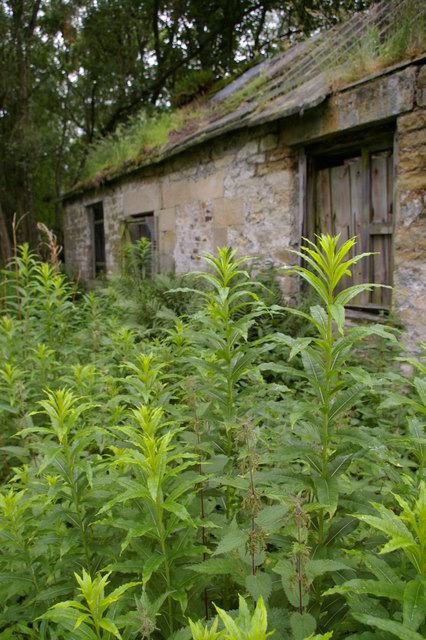

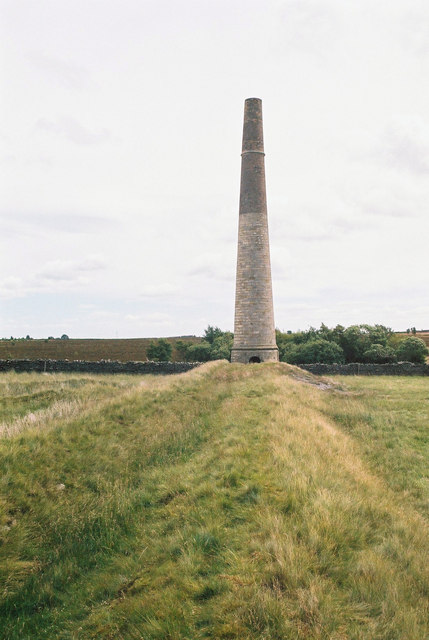

from Geograph (geograph)
Visible top of arch of horizontal flue of Langley & Blaghill Lead Smelt Mills
Pinned by Simon Cotterill
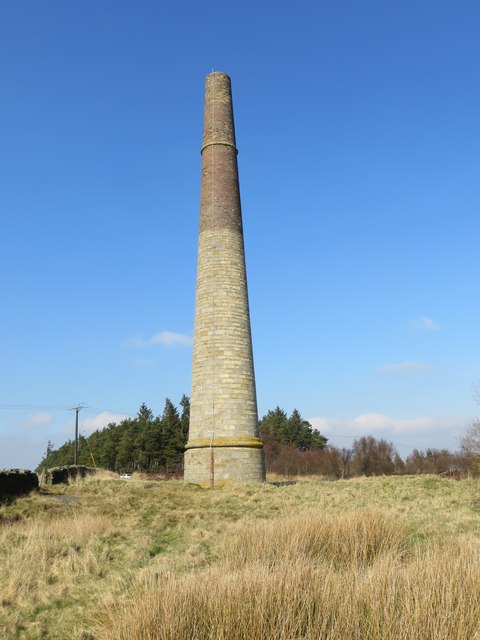
from https://historicengland.org.u…
Langley and Blagill lead smeltmills, flue and chimney - List Entry
- ...The entire layout of Langley Mill survives as earthworks which will retain evidence for the development of the site and the technologies employed. Langley was also an important early site …
Added by
Simon Cotterill

from Geograph (geograph)
Course of horizontal flue of Langley & Blaghill Lead Smelt Mills
Pinned by Simon Cotterill
from Geograph (geograph)
Course of horizontal flue of Langley & Blaghill Lead Smelt Mills
Pinned by Simon Cotterill
from Geograph (geograph)
Langley Lead Smelt Mill Flue Bridge, east of Garden Station
Pinned by Simon Cotterill
from Geograph (geograph)
Surviving arch of horizontal flue near Langley Flue Bridge
Pinned by Simon Cotterill
from Geograph (geograph)
Remaining building of Langley & Blaghill Lead Smelt Mills
Pinned by Simon Cotterill
from Geograph (geograph)
Remaining building of Langley & Blaghill Lead Smelt Mills
Pinned by Simon Cotterill
from Geograph (geograph)
Visible top of arch of horizontal flue of Langley & Blaghill Lead Smelt Mills
Pinned by Simon Cotterill
from https://historicengland.org.u…
Langley and Blagill lead smeltmills, flue and chimney - List Entry
- ...The entire layout of Langley Mill survives as earthworks which will retain evidence for the development of the site and the technologies employed. Langley was also an important early site …
Added by
Simon Cotterill