Topics > Historical Periods > Roman Period (43 to 409 AD) > Cumbrian Coastal Defences (Roman)
Cumbrian Coastal Defences (Roman)
The Romans built a series of milefortlets, towers, and palisades down the Cumbrian coast, at the western end of Hadrian’s Wall, to help control movement across the Solway Firth estuary. The defences extended for at least 27 miles down the coast and were built in timber and turf, rather than stone. As such, there are limited visible remains of the costal defences, they generally survive as earthworks or buried archaeological remains, sometimes visible on aerial photographs.

Co-Curate Page
Alauna Roman Fort (Maryport)
- Overview About Alauna Aerial View / Map Street View Alauna was a fort in the Roman province of Britannia, located on the coastal sandstone ridge to north of the modern …
Co-Curate Page
Beckfoot Roman Fort
- The site of Beckfoot Roman Fort (Bibra) is located on the Solway Firth coast, about ½ mile south of the hamlet of Beckford. It formed part of the Roman Cumbrian …
Co-Curate Page
Ravenglass Roman Fort
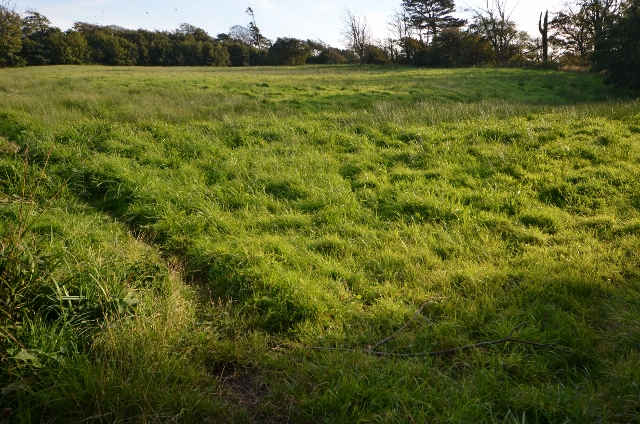
- % The site of the Roman fort Glannoventa is located to the south of Ravenglass. The burried remains of the fort survive as visible earthworks. The fort served as an …

Co-Curate Page
Alauna Roman Fort (Maryport)
- Overview About Alauna Aerial View / Map Street View Alauna was a fort in the Roman province of Britannia, located on the coastal sandstone ridge to north of the modern …
Co-Curate Page
Beckfoot Roman Fort
- The site of Beckfoot Roman Fort (Bibra) is located on the Solway Firth coast, about ½ mile south of the hamlet of Beckford. It formed part of the Roman Cumbrian …