Topics > Newcastle City Centre > Streets > Monk Street > Blackfriars Friary
Blackfriars Friary
Scheduled Monument area - based on Historic England data (Open Government Licence).
Dominican friars (aka Blackfriars) are an order of preachers, founded by St. Dominic in the early 13th century. Dominican friars were sent around the world to establish their religious order and arrived in Britain in 1221. They settled in Newcastle in 1239, with the land for the friary here being donated by three sisters and the first Mayor of Newcastle, Sir Peter Scot, who raised funds to build their first shelter.
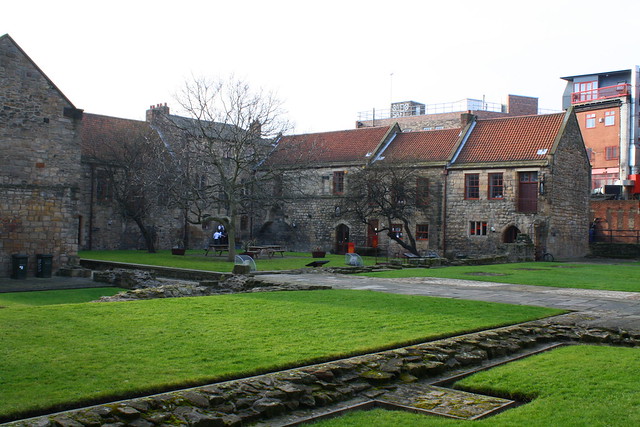 The Blackfriars’ precinct once extended from Low Friar St to beyond Corporation St, and north-south from Morden Tower to the town wall. The gatehouse was probably in Low Friar Lane. Its buildings previously included a church, cloister, East range, South range and West range. Friar's Postern, a concealed gateway in the Town Walls, gave the monks of access to their land outside of the walls. Early in it's existance, King Henry III stayed at the Priory, whilst in the north because of war with Scots. The infamous Treaty of Newcastle was signed at Blackfriars by King Edward III of England and Edward Balliol of Scotland on 12th June 1334.
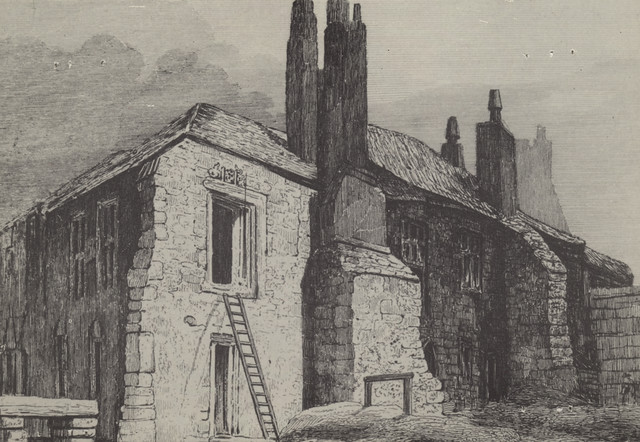
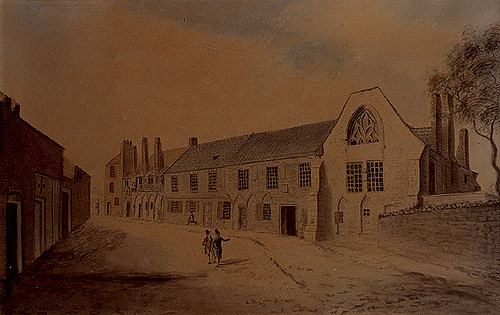
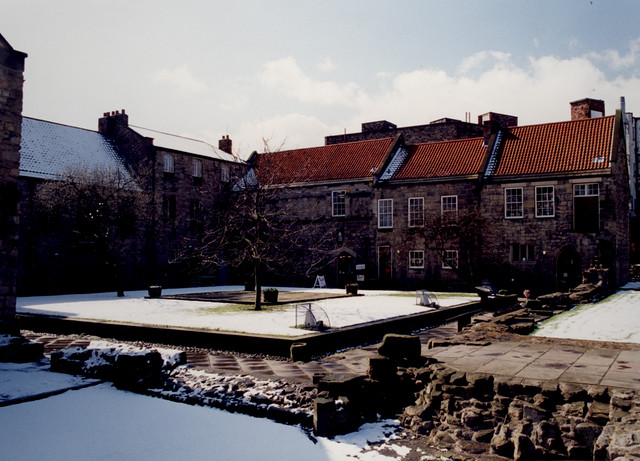
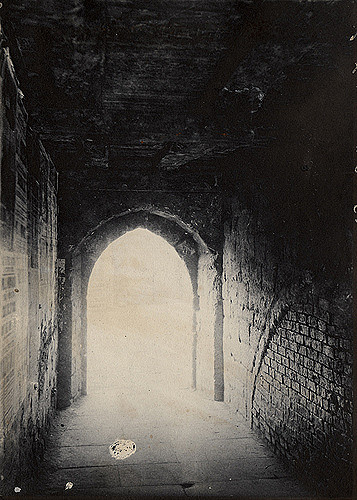
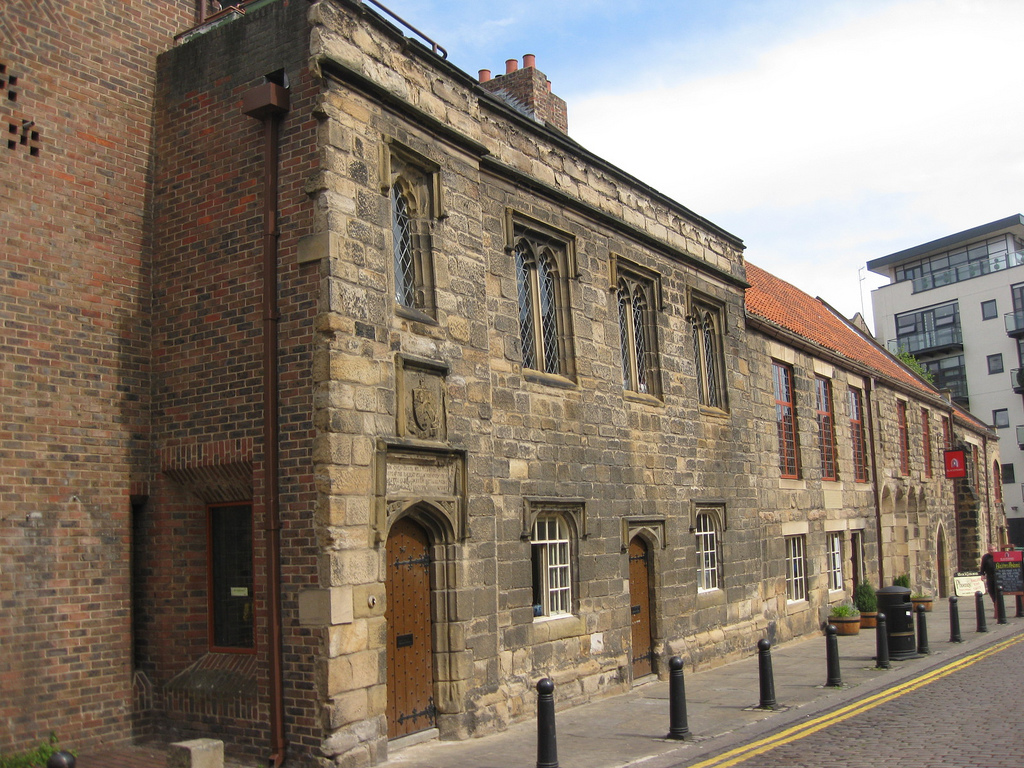
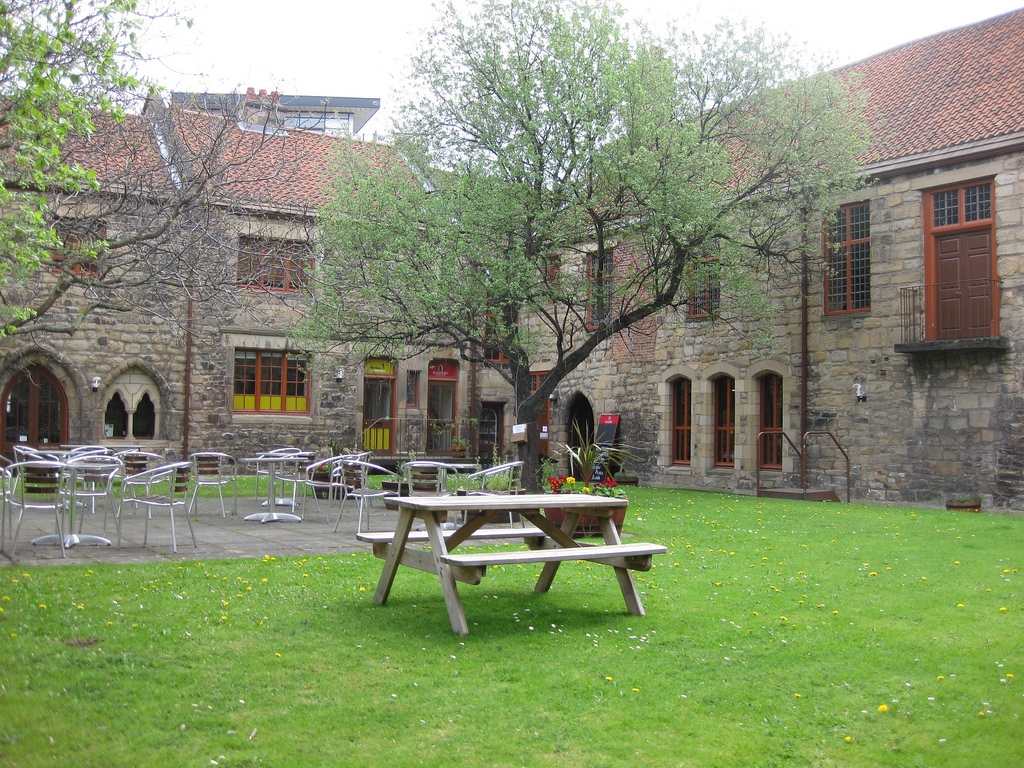
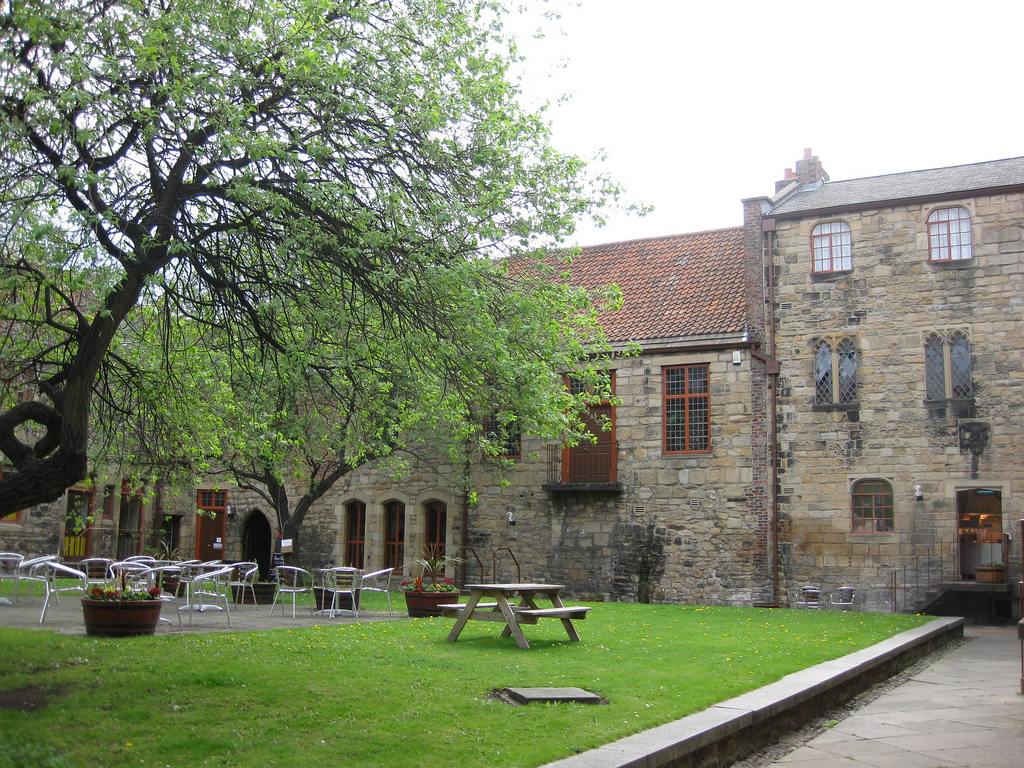
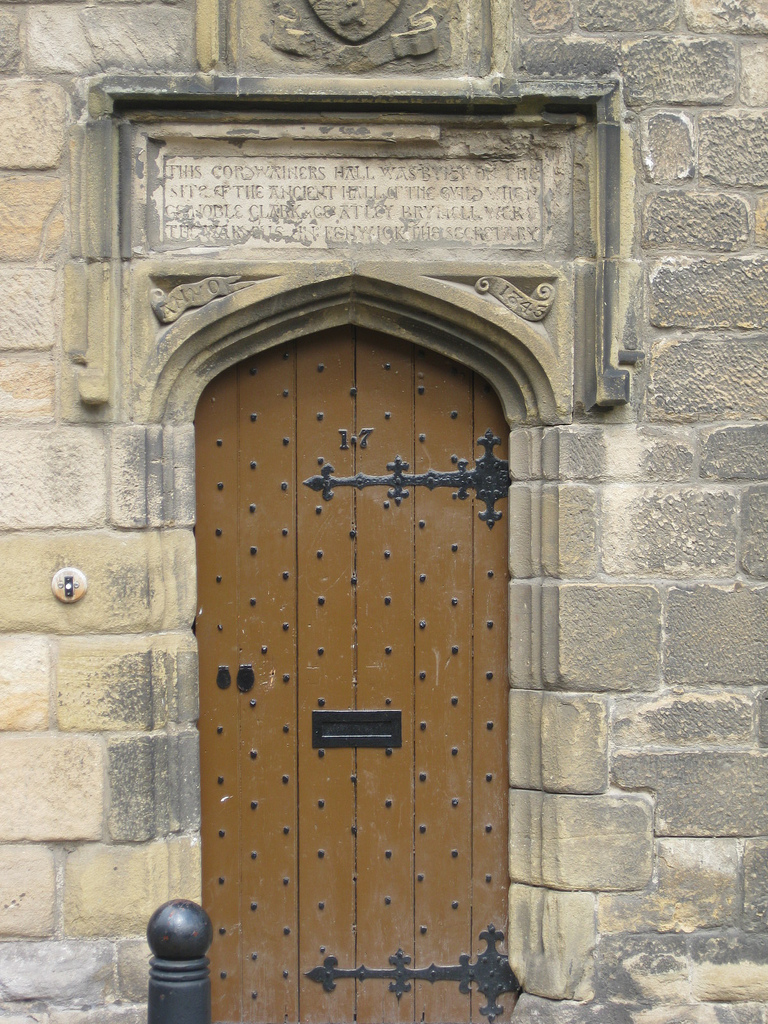
The Reformation of 1539 led to the end of the friary here, with demolition of the church, sacristy, east half of chapter house and cloister (their foundations still exist). The remaining buildings were sold to the mayor and burgesses of Newcastle, and then leased to local craft guilds, including the Cordwainers. The buildings were adapted in the 16th -17th centuries, but later fell into disrepair. The site was considered for demolition, but was thankfully saved and restored by Newcastle City Council between 1973 and 1981. In 2001, the site was transformed into a restaurant and events space, still retaining the original medieval architecture. The site is a Scheduled Monument (legally protected) and the three ranges are each Grade I listed on the National Heritage List for England.
Extract from Eneas Mackenzie, Historical Account of Newcastle-Upon-Tyne Including the Borough of Gateshead. Mackenzie and Dent, Newcastle-upon-Tyne, 1827.
The Dominicans, or Black Friars, were one of the four orders of mendicant or begging friars. They received their name from their founder, St. Dominic, a native of Cologna in Spain. They were also called Preaching Friars, from their office of preaching and converting heretics; and Black Friars, from the colour of their upper garment. In France they were called Jacobins, from having their first houses in St. James' Street at Paris. At Newcastle they appear to have had the title of Shod Friars, in contradistinction, as it should seem, to their neighbours, the Grey Friars, who went barefooted. This order was founded in 1198, approved of by Pope Innocent III. in 1215, and entered England in 1221. Their habit was a white cassock, with a white hood over it; and abroad they wore a black cloak and hood over all. They were enjoined silence, poverty, and almost continual fasts; also abstinence from flesh and from wearing linen, with several other austerities. They boast of having produced a great many martyrs and confessors, three popes, sixty cardinals, one hundred and fifty archbishops, and eight hundred bishops; and to have furnished in this kingdom eighty writers of eminence. They enjoyed a higher degree of power and authority than any of the other monastic orders; but then they enjoyed peculiar advantages, being confessors in all the courts of Europe, and every where presiding over the tribunals of the Inquisition.
The precise date when the house of the Black Friars in this town was erected is unknown. It is said to have been founded by Sir Peter Scot, and his son Sir Nicholas Scot, about the year 1260. The ground on which it stands was given by three pious sisters, whose names have been consigned to oblivion.
It appears that, in 1264, the friars of this house had made, under a royal grant, an aqueduct from a fountain beyond their court-yard to their monastry, and from thence into the town. In 1280, they obtained the royal license to make a postern gate through the town-wall, to communicate with that division of their property which had been placed in the suburbs by the building of the said wall; and in 1312, king Edward II. permitted them to make a draw-bridge of wood, five feet broad, over the new fosse of the town, for a passage to their garden in the suburbs, with pale-work in lieu of the garden wall, on condition that the whole should be removed on the appearance of any imminent danger. When the king passed through the town in 1299, the pittance of these friars for one day was eleven shillings.
In 1318, the king granted to the brethren of this house, for the purpose of enlarging their house and burial-ground, a messuage contiguous thereto, which had belonged to Gilbert de Middleton, and had escheated to the crown on his being hanged for felony and treason; and in 1330, the king granted a license of mortmain to John Baroun, impowering him to assign to this fraternity a piece of ground, 60 feet long, and as many feet broad, for the purpose of enlarging their monastry.
On June 19, 1334, Edward Baliol, king of Scotland, did homage to king Edward III. for the kingdom of Scotland, in the church of this house. The ceremony was peculiarly splendid and imposing.
On December 6, 1342, the king granted the brethren of this house power to set up certain gates on their ground, which had been demolished during a dispute between the townsmen and the men of Northumberland, while the Earl of Warren, Warden of the March of Scotland, lodged in their house, and which they had been prevented from setting up again.
The bishop of Durham, in 1380, granted a license to the prior and convent of this house to celebrate mass in the church of St. Nicholas in Newcastle, on asking leave of the vicar, although such leave should be refused them. King Richard II. in 1390, prohibited the conferring of the degree of Master on certain apostate brethren belonging to this order; and in 1397, there seems to have been held a provincial chapter at Newcastle, to deliberate respecting these apostates. In 1415, Lord Scroop bequeathed 13s. 6d. to the recluse in this house of Friars Preachers.
An indenture, dated October 9, 1537, passed between Rolande Hardynge, the last prior of this house, for himself and the convent, and Robert Daval, clerk, archdeacon of Northumberland, by which the former bound themselves and their successors for ever, on condition of receiving £6, 18s. from the said R. Daval, to sing daily an anthem and perform certain other services, and pray "for the sowles of William Davel John Brigham late of the towne of Newcastell merchant their wyfes and children with their benefactors and all Christeyn soulls."
This house, which appears to have been dependent upon the priory of Tynemouth, surrendered June 10, 1539. It then consisted of a prior and twelve friars, and its annual value was £2, 19s. 4d. No account has been found of any pensions granted to the prior or monks. Their houses and ground were granted by king Henry VIII. March 10, 1544, to the mayor and burgesses of Newcastle, in consideration of the sum of £53, 7s. 6d.; reserving to himself and successors for ever a yearly rent of 5s. 11½d. together with the bells, lead, stones, iron, and timber of the church and other edifices. The property specified in this grant, which is preserved in the archives of the corporation, consisted of a close within the West Gate—two gardens and a close on the north—the field still called the Warden's Close on the west, and without the town's wall, that anciently had a lodge or house in it—and a house called the Gate House, near New Gate Street, from whence the great entrance seems to have been to this monastry. Bourne says that a mill at the Barras Bridge also belonged to this house, which, in 1558, paid a rent of 2s. per annum to the town of Newcastle.
In the year 1552, the mayor and burgesses demised this house of Black Friars, with its appurtenances, of orchards, gardens, etc. to nine of the mysteries, or most ancient trades of the town, at the yearly rent of 42s.; a ninth part to be paid by each company, to the respective uses of which were portioned out the several apartments of the monastry, with the adjacent grounds. This grant has saved the monastry from destruction; and though it has undergone many alterations, yet it still retains a considerable share of its ancient monastic character, as will be noticed hereafter.

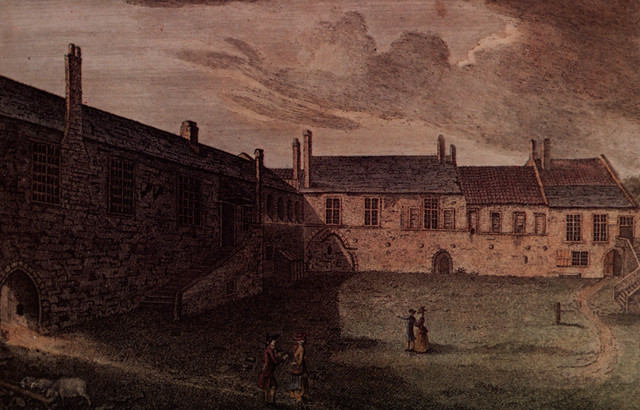
from Newcastle libraries (flickr)
071058:Blackfriars Friary Newcastle upon Tyne Unknown c.1789
Pinned by Simon Cotterill
from Newcastle libraries (flickr)
064300:Blackfriars Friary Newcastle upon Tyne Unknown c.1827
Pinned by Simon Cotterill
from Newcastle libraries (flickr)
038772:Blackfriars Friary Newcastle upon Tyne Unknown c.1750
Pinned by Simon Cotterill
from Newcastle libraries (flickr)
061468:Blackfriars Friary Newcastle upon Tyne Maybury Malcolm 1995
Pinned by Simon Cotterill
from Newcastle libraries (flickr)
003040:Blackfriars Friary Newcastle upon Tyne Unknown c.1886
Pinned by Simon Cotterill
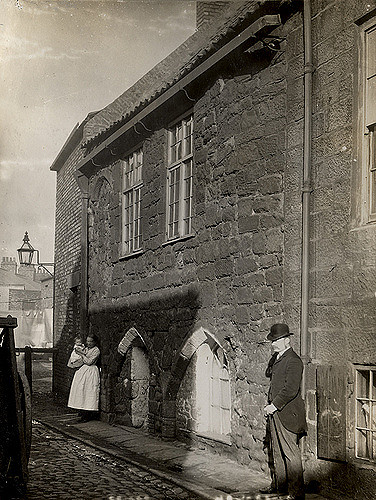
from Newcastle libraries (flickr)
003639:Blackfriars Friary Newcastle upon Tyne Unknown c.1890
Pinned by Simon Cotterill
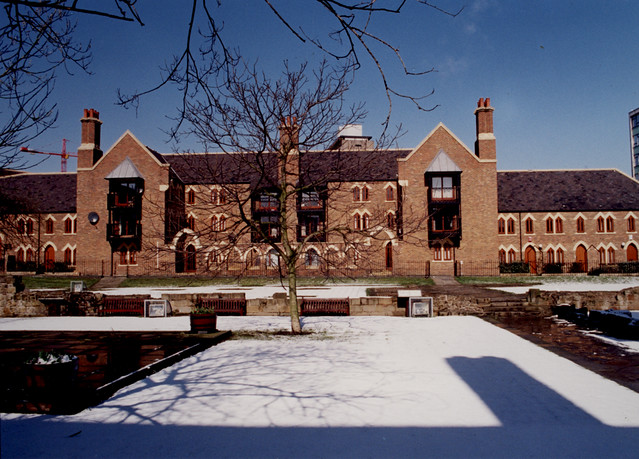
from Newcastle libraries (flickr)
061472:Blackfriars Friary Newcastle upon Tyne Maybury Malcolm 1995
Pinned by Simon Cotterill
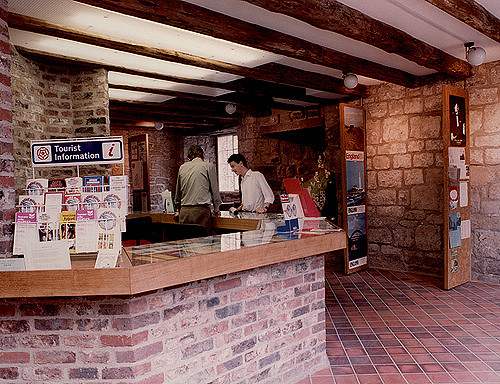
from Newcastle libraries (flickr)
041322:Blackfriars Friary Newcastle upon Tyne City Engineers 1981
Pinned by Simon Cotterill
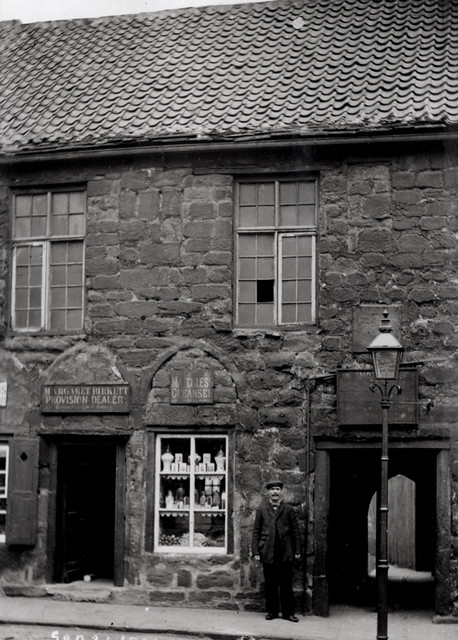
from Newcastle libraries (flickr)
071377:Blackfriars Friary Newcastle upon Tyne Unknown 1904
Pinned by Simon Cotterill
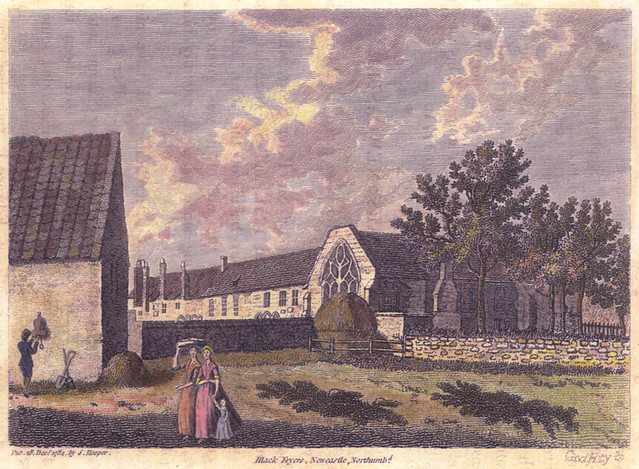
from Newcastle libraries (flickr)
065188:Blackfriars Friary Newcastle upon Tyne Hooper S. 1784
Pinned by Simon Cotterill
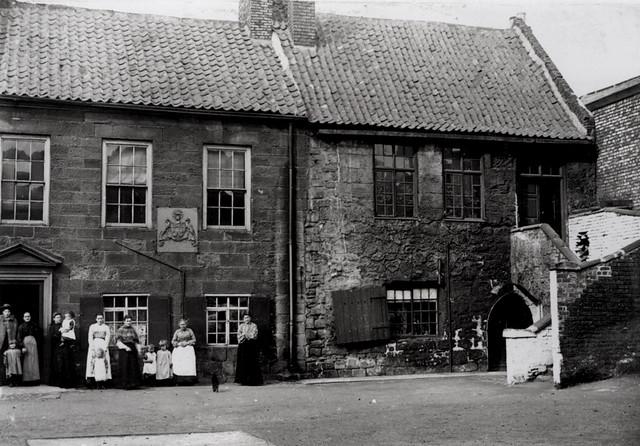
from Newcastle libraries (flickr)
064247:Blackfriars Friary Newcastle upon Tyne Unknown 1904
Pinned by Simon Cotterill
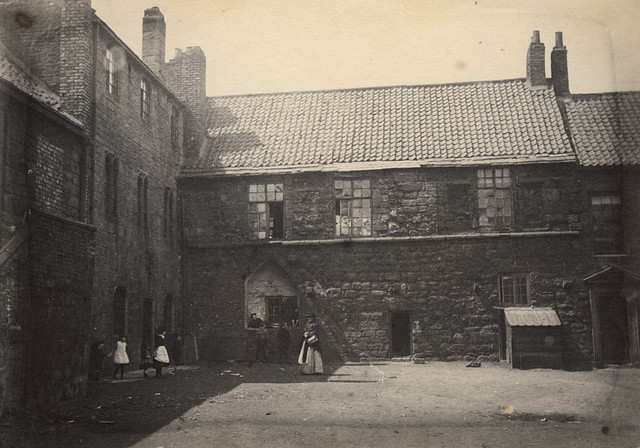
from Newcastle libraries (flickr)
052698:Blackfriars Friary Newcastle upon Tyne Unknown 1885
Pinned by Simon Cotterill
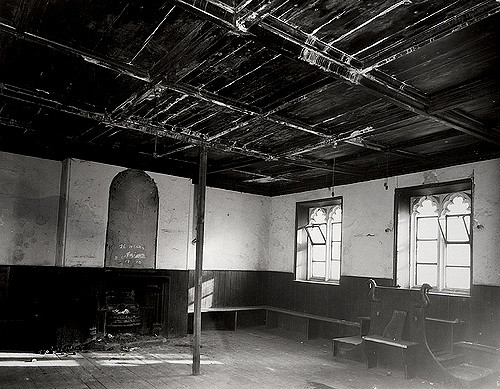
from Newcastle libraries (flickr)
044600:Blackfriars Friary Newcastle upon Tyne Unknown c.1968
Pinned by Simon Cotterill
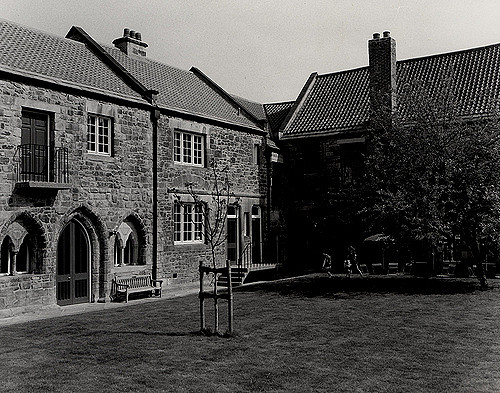
from Newcastle libraries (flickr)
041810:Blackfriars Friary Newcastle upon Tyne City Engineers 1981
Pinned by Simon Cotterill
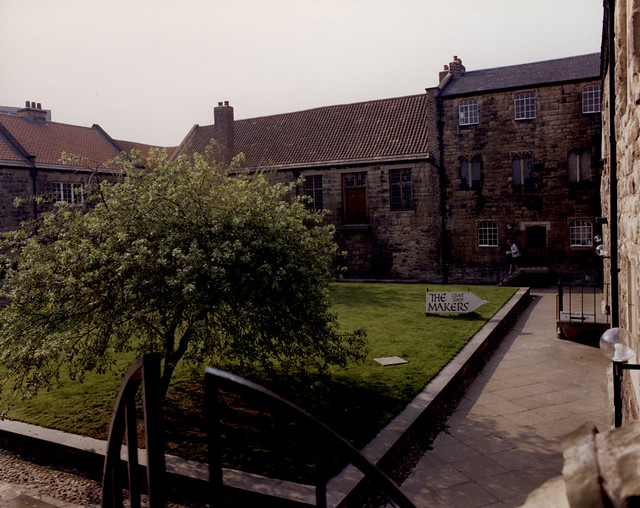
from Newcastle libraries (flickr)
055095:Blackfriars Friary Newcastle upon Tyne City Engineers c.1980
Pinned by Simon Cotterill
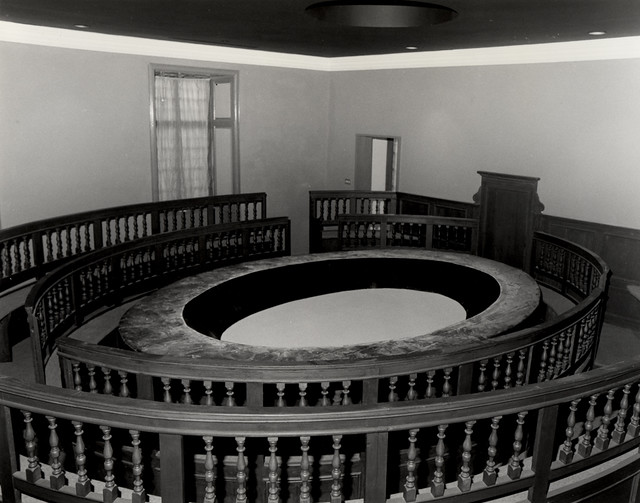
from Newcastle libraries (flickr)
055093:Blackfriars Friary Newcastle upon Tyne City Engineers 1980
Pinned by Simon Cotterill
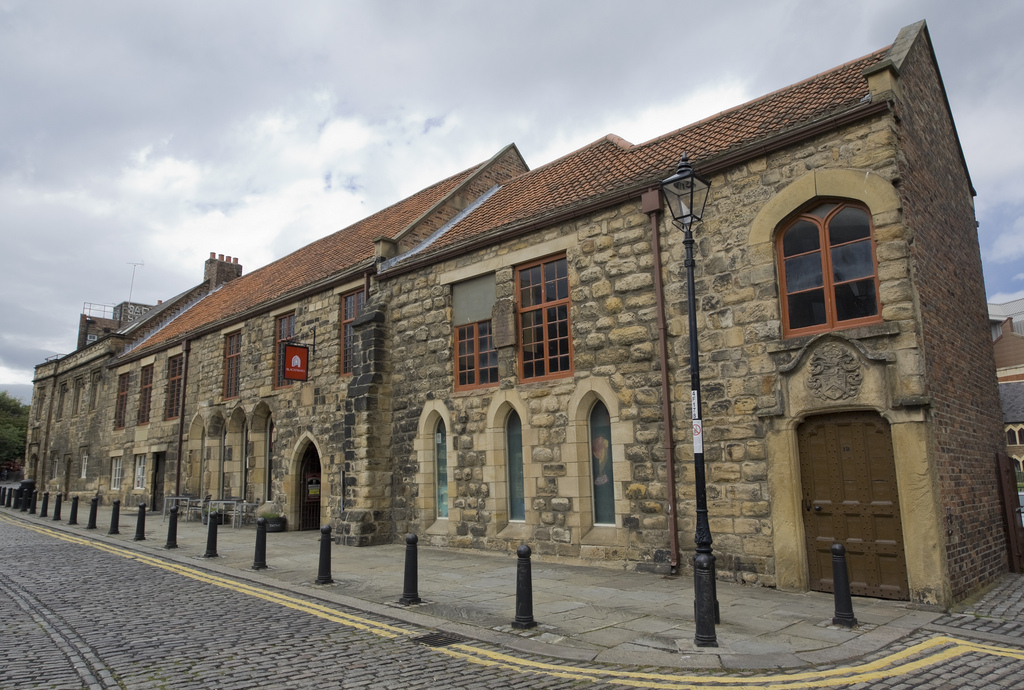
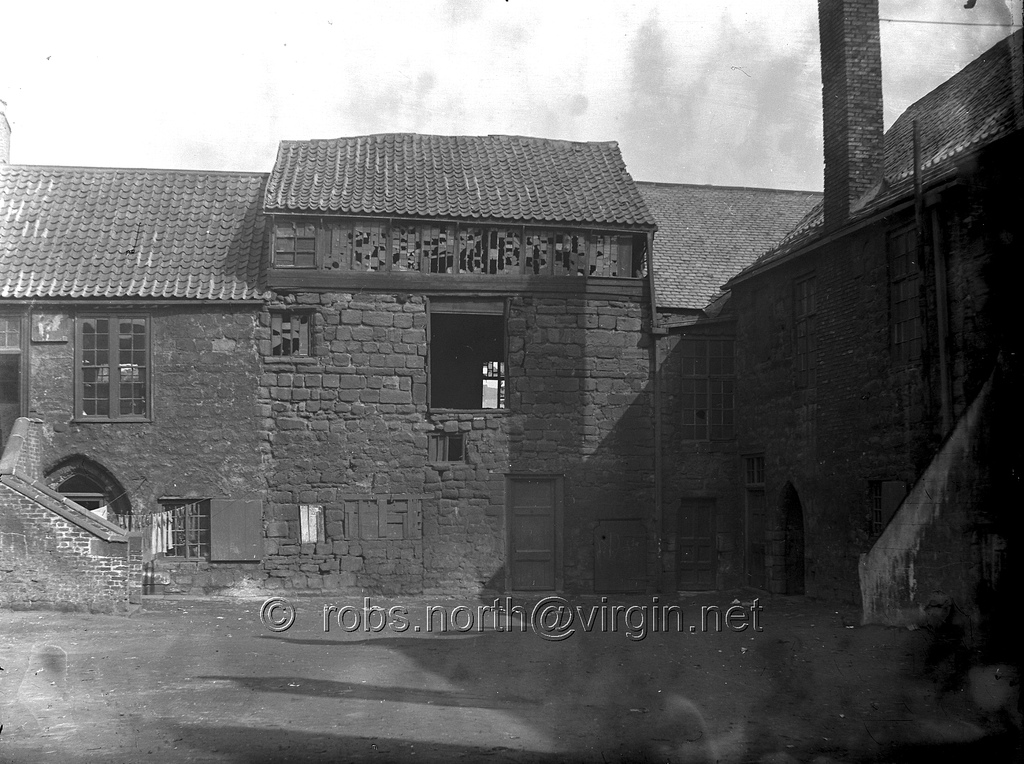

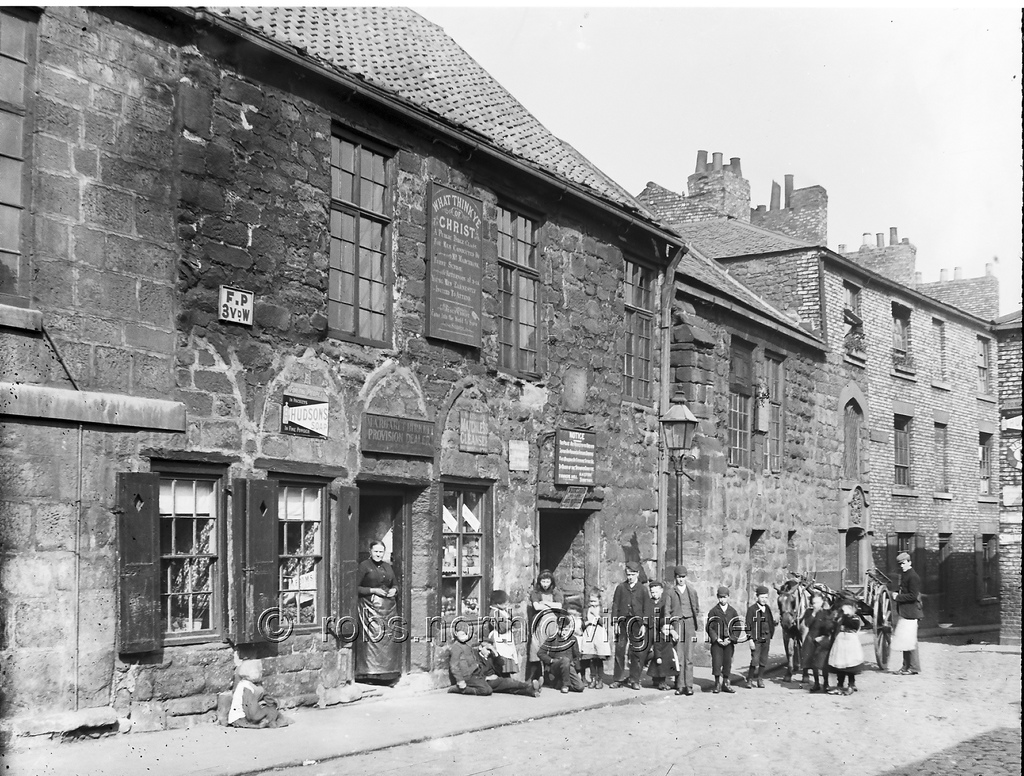
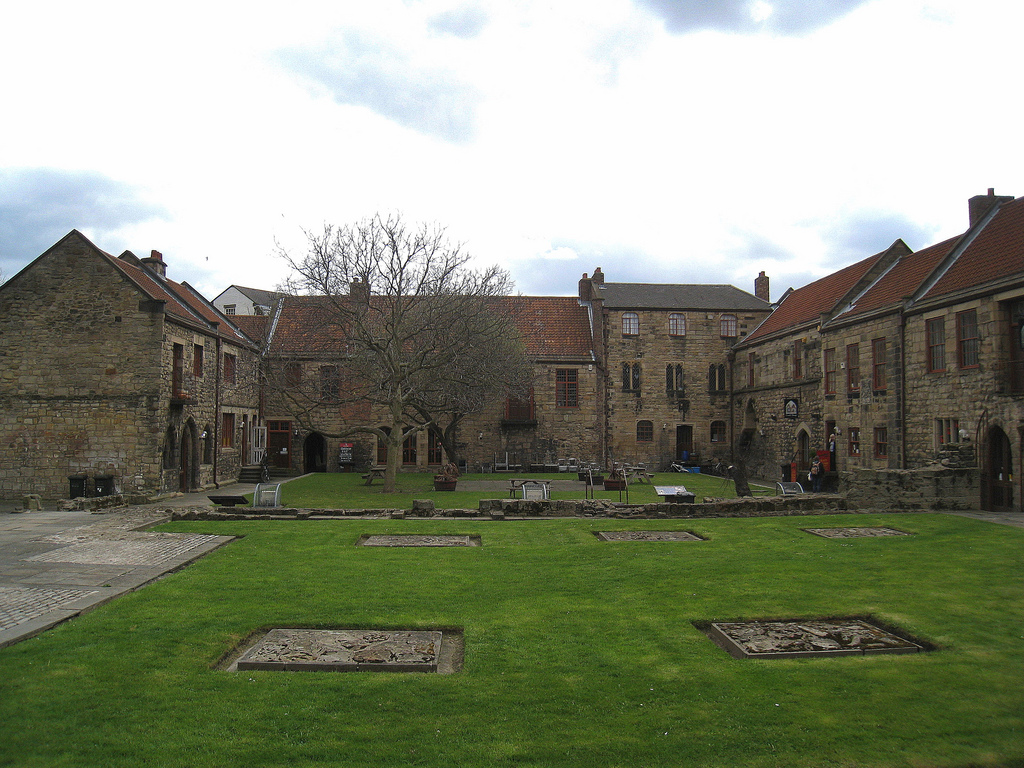
from Flickr (flickr)
Blackfriars Newcastle - These new pics were NOT taken with my new camera. Sorry Brian.
Pinned by Pat Thomson
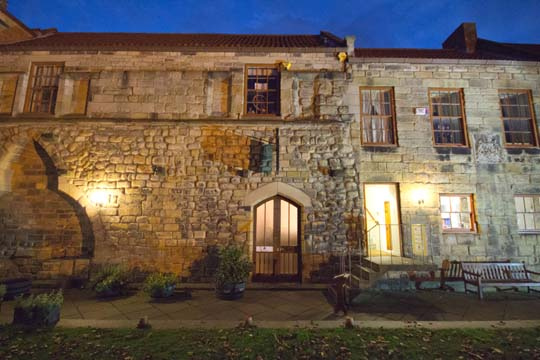
from http://www.twsitelines.info/s…
Tyne and Wear HER(1433): Newcastle, Dominican Friary (Blackfriars)
- "The first reference to the friary dates from 1239. Their precint was acquired piecemeal, and came to extend east-west from Low Friar St to beyond Corporation St, and north-south from …
Added by
Simon Cotterill


Co-Curate Page
Origins of Monastic Life
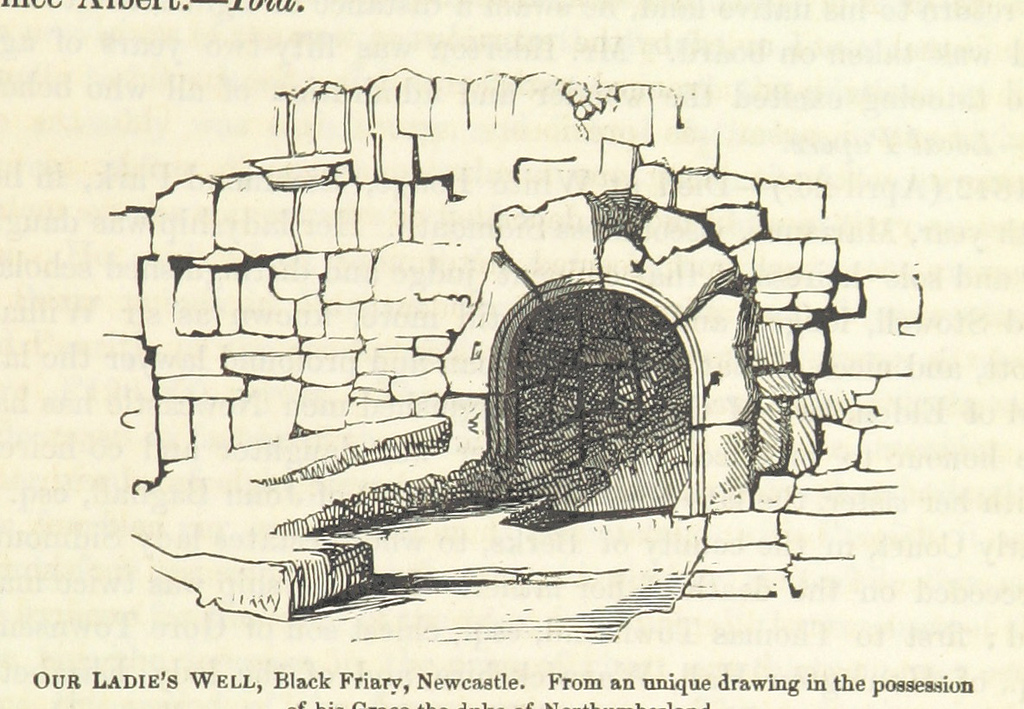
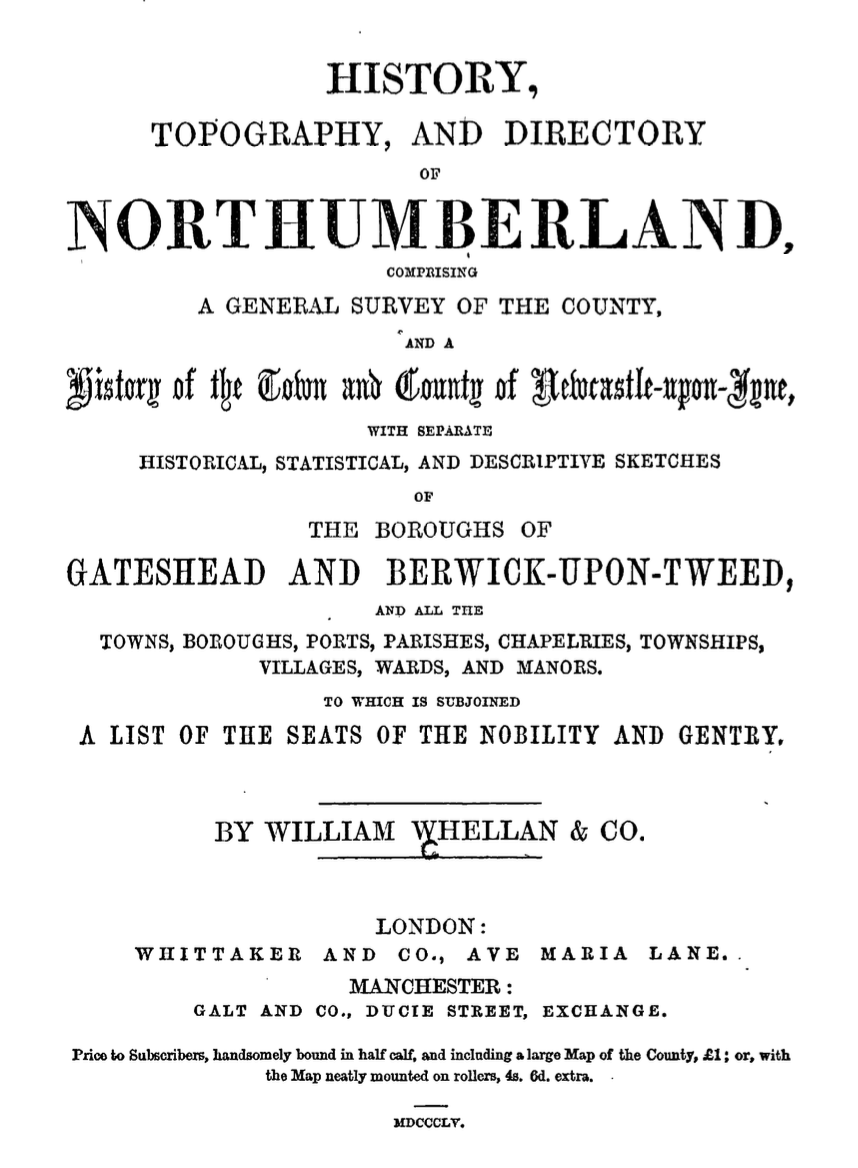
- Extract from: History, Topography, and Directory of Northumberland...Whellan, William, & Co, 1855. ORIGIN AND PROGRESS OF THE MONASTIC LIFE. A brief outline of the origin and progress of monastic …
Co-Curate Page
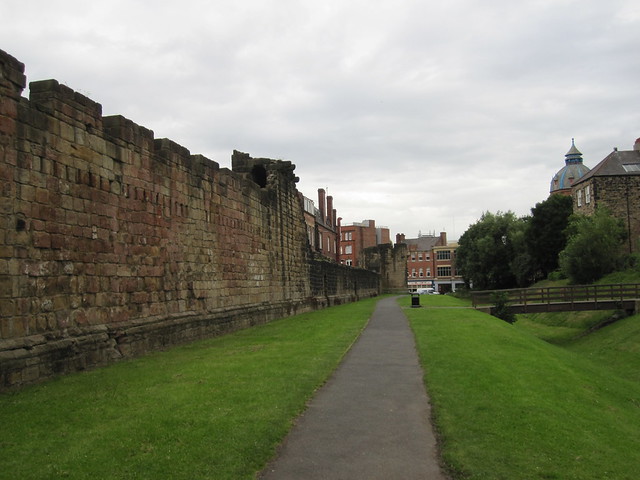
Section of Town Wall containing Ever, Morden and Heber towers
- Scheduled Monument area - based on Historic England data (Open Government Licence). The best preserved section of Newcastle's Medieval Town Wall stretches from St Andrew's Street to Bath Lane, running …

from Newcastle libraries (flickr)
071058:Blackfriars Friary Newcastle upon Tyne Unknown c.1789
Pinned by Simon Cotterill
from Newcastle libraries (flickr)
064300:Blackfriars Friary Newcastle upon Tyne Unknown c.1827
Pinned by Simon Cotterill
from Newcastle libraries (flickr)
038772:Blackfriars Friary Newcastle upon Tyne Unknown c.1750
Pinned by Simon Cotterill
from Newcastle libraries (flickr)
061468:Blackfriars Friary Newcastle upon Tyne Maybury Malcolm 1995
Pinned by Simon Cotterill
from Newcastle libraries (flickr)
003040:Blackfriars Friary Newcastle upon Tyne Unknown c.1886
Pinned by Simon Cotterill
from Newcastle libraries (flickr)
003639:Blackfriars Friary Newcastle upon Tyne Unknown c.1890
Pinned by Simon Cotterill
from Newcastle libraries (flickr)
061472:Blackfriars Friary Newcastle upon Tyne Maybury Malcolm 1995
Pinned by Simon Cotterill
from Newcastle libraries (flickr)
041322:Blackfriars Friary Newcastle upon Tyne City Engineers 1981
Pinned by Simon Cotterill
from Newcastle libraries (flickr)
071377:Blackfriars Friary Newcastle upon Tyne Unknown 1904
Pinned by Simon Cotterill
from Newcastle libraries (flickr)
065188:Blackfriars Friary Newcastle upon Tyne Hooper S. 1784
Pinned by Simon Cotterill
from Newcastle libraries (flickr)
064247:Blackfriars Friary Newcastle upon Tyne Unknown 1904
Pinned by Simon Cotterill
from Newcastle libraries (flickr)
052698:Blackfriars Friary Newcastle upon Tyne Unknown 1885
Pinned by Simon Cotterill
from Newcastle libraries (flickr)
044600:Blackfriars Friary Newcastle upon Tyne Unknown c.1968
Pinned by Simon Cotterill
from Newcastle libraries (flickr)
041810:Blackfriars Friary Newcastle upon Tyne City Engineers 1981
Pinned by Simon Cotterill
from Newcastle libraries (flickr)
055095:Blackfriars Friary Newcastle upon Tyne City Engineers c.1980
Pinned by Simon Cotterill
from Newcastle libraries (flickr)
055093:Blackfriars Friary Newcastle upon Tyne City Engineers 1980
Pinned by Simon Cotterill
from Flickr (flickr)
Blackfriars Newcastle - These new pics were NOT taken with my new camera. Sorry Brian.
Pinned by Pat Thomson
from http://www.twsitelines.info/s…
Tyne and Wear HER(1433): Newcastle, Dominican Friary (Blackfriars)
- "The first reference to the friary dates from 1239. Their precint was acquired piecemeal, and came to extend east-west from Low Friar St to beyond Corporation St, and north-south from …
Added by
Simon Cotterill
Co-Curate Page
Origins of Monastic Life
- Extract from: History, Topography, and Directory of Northumberland...Whellan, William, & Co, 1855. ORIGIN AND PROGRESS OF THE MONASTIC LIFE. A brief outline of the origin and progress of monastic …