Topics > Tyne and Wear > Gateshead > Ryton > Motte Castle, Ryton
Motte Castle, Ryton
Map showing the Scheduled Monument area of the Motte Castle, north of Holycross Church, Ryton
In the the churchyard, to the north of Holycross Church in Ryton, are the remains of a motte castle. The site has a well-defined, flat-topped mound, with a 30m diameter around the base, with the mound reaching 4m in height. This is now accepted as a Norman motte, having previously been thought to be a Bronze Age tumulus (buriel mound). The site of Ryton Motte is a Scheduled Monument (legally protected).
Scheduled Monument (#1018677): Motte, 50m north of Holycross Church, Ryton
Click the headings below to expand (selected extracts from the Historic England scheduling)
Motte castles are medieval fortifications introduced into Britain by the Normans. They comprised a large conical mound of earth or rubble, the motte, surmounted by a palisade and a stone or timber tower. In a majority of examples an embanked enclosure containing additional buildings, the bailey, adjoined the motte.
The motte 50m north of Holycross Church is a well preserved example of this class of monument. The top of the mound and the ditch, where graves have not disturbed it, will preserve deposits relating to the motte's construction and use.
The monument includes a medieval motte mound and associated ditch, occupying the north end of a spur to the north of Holycross Church, Ryton, commanding a view over the River Tyne. The mound is 30m in diameter at its base, 4m high and 9m in diameter at its top. The top of the mound is triangular in plan with corners on the north, south east and south west. A 1m wide linear depression running across the top of the mound may indicate an unrecorded excavation. The ditch curves round the south side of the motte, cutting across the spur. There is no evidence of a ditch on the other sides of the mound where the ground falls steeply away. The ditch is 2m wide at its base, 12m wide at its top and 1.6m below the level of the ground to the south. The ditch and the foot of the slope of the mound contain some pre-20th century graves, which are excluded from the scheduling although the ground beneath them is included. The relationship between the mound and the steep slope will be preserved to the west of the mound where there has been no discernible disturbance caused by the presence of the graveyard.


from https://www.geograph.org.uk/p…
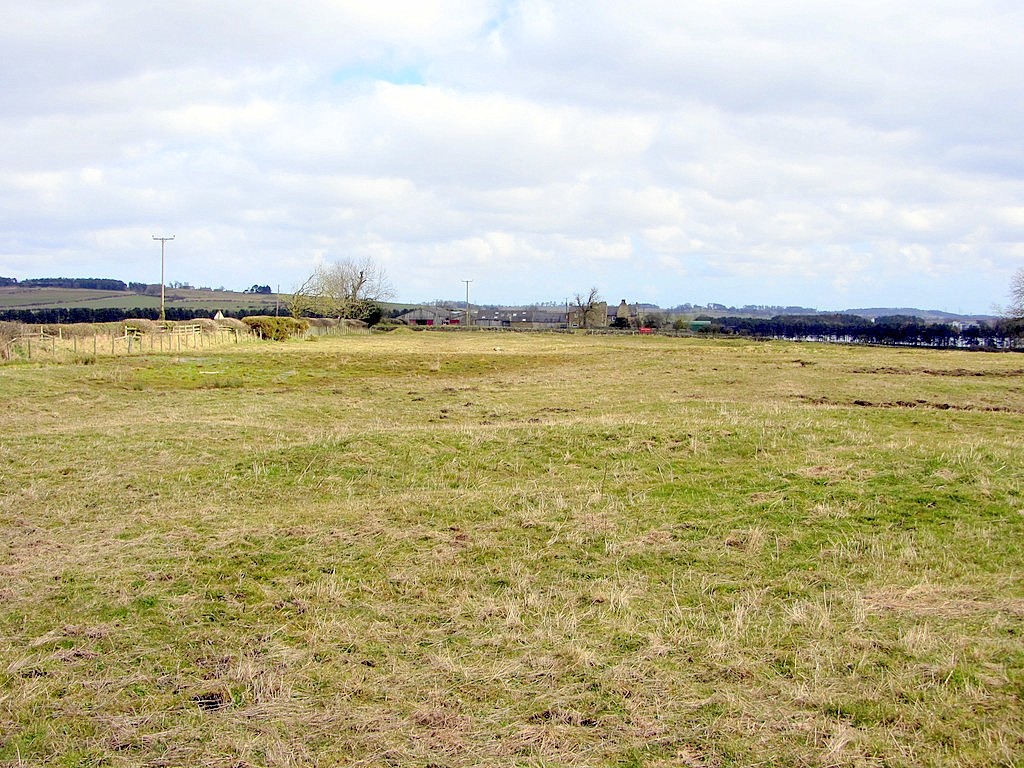
Motte, Holy Cross Churchyard, Ryton
- "This large mound in the churchyard about 30m north of Holy Cross Church was presumed until comparatively recently to be a Bronze Age tumulus. It is now accepted as a …
Added by
Simon Cotterill
from https://historicengland.org.u…
Motte, 50m north of Holycross Church, Ryton - Scheduling
- Motte castles are medieval fortifications introduced into Britain by the Normans. They comprised a large conical mound of earth or rubble, the motte, surmounted by a palisade and a stone …
Added by
Simon Cotterill

from https://www.twsitelines.info/…
Ryton motte
- The motte is a well-defined, flat-topped mound on the north side of Ryton church, within the churchyard. It measures 30 m across the base, 8 m across the top and …
Added by
Simon Cotterill

from https://www.geograph.org.uk/p…
Motte, Holy Cross Churchyard, Ryton
- "This large mound in the churchyard about 30m north of Holy Cross Church was presumed until comparatively recently to be a Bronze Age tumulus. It is now accepted as a …
Added by
Simon Cotterill
from https://historicengland.org.u…
Motte, 50m north of Holycross Church, Ryton - Scheduling
- Motte castles are medieval fortifications introduced into Britain by the Normans. They comprised a large conical mound of earth or rubble, the motte, surmounted by a palisade and a stone …
Added by
Simon Cotterill
from https://www.twsitelines.info/…
Ryton motte
- The motte is a well-defined, flat-topped mound on the north side of Ryton church, within the churchyard. It measures 30 m across the base, 8 m across the top and …
Added by
Simon Cotterill