History of Armstrong's Low Walker Yard


-
Description
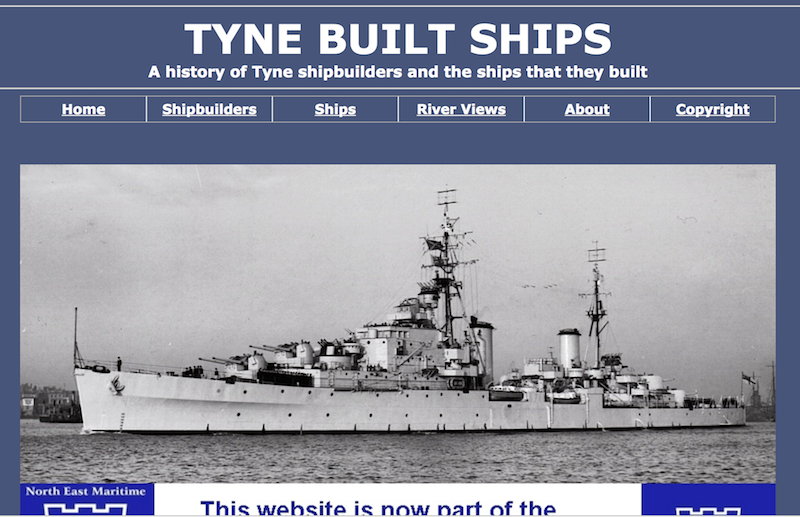
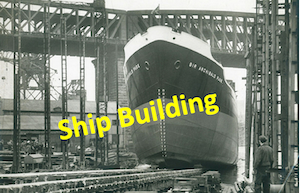
The Low Walker yard has a long history going back as far as William Reay 1831 - 1842, John Coutts 1842 - 1848, Thomas Seymour 1848 - 1852 and Charles Mitchell 1853 - 1882. William Armstrong who owned an armaments factory at Elswick wanted to enter the warship market, as a way of promoting his large caliber guns. However he was unable to build ships at Elswick because of a low multi arch bridge across the Tyne at Newcastle. Therefore in 1867 Armstrong entered into an agreement with Charles Mitchell who had a shipyard at Low Walker whereby the Mitchell company would build hulls for the Armstrong warships. This agreement was so successful that in 1882 the two companies merged to form Sir WG Armstrong, Mitchell & Co Ltd. In 1876 the low multi arch bridge at Newcastle that had stood since Georgean times was replaced by a new Armstrong designed swing bridge thus removing a major problem for the Elswick works. In 1883 the new Armstrong, Mitchell company decided to build a new shipyard specialising in warship production, next to the armaments works at Elwick. Their Low Walker yard was then able to concentrate on merchant shipbuilding, especially of tankers from 1885 onwards..... -
Owner
Tyne Built Ships -
Source
Local (Co-Curate) -
License
What does this mean? Unknown license check permission to reuse
-
Further information
Link: https://www.tynebuiltships.co.uk/Armstrong-Yard-LW.html
Resource type: Text/Website
Added by: Simon Cotterill
Last modified: 3 weeks ago
Viewed: 46 times
Picture Taken: Unknown -
Co-Curate tags


