Coal mining remains at Dunston Hill - Scheduling



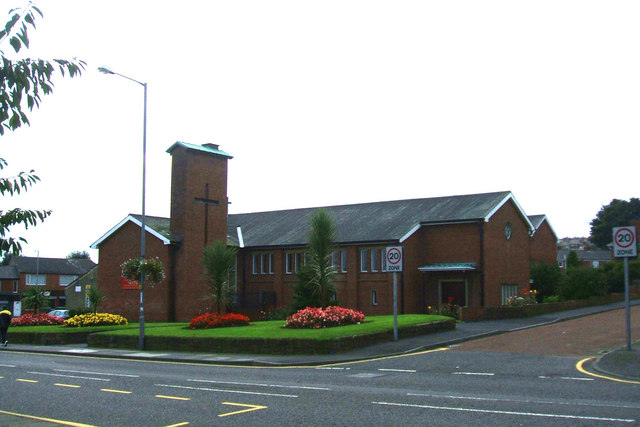
-
Description
Coal has been mined in England since Roman times, and between 8,000 and 10,000 coal industry sites of all dates up to the collieries of post-war nationalisation are estimated to survive in England. Three hundred and four coal industry sites, representing approximately 3% of the estimated national archaeological resource for the industry have been identified as being of national importance......In its simplest form extensive workings took coal directly from the outcrop, digging closely spaced shallow pits, shafts or levels which did not connect underground. Once shallower deposits had been exhausted, deeper shafts giving access to underground interconnecting galleries were developed. The difficulties of underground haulage and the need for ventilation encouraged the sinking of an extensive spread of shafts in the area worked. The remains of extensive coal workings typically survive as surface earthworks directly above underground workings.... -
Owner
Historic England -
Source
Local (Co-Curate) -
License
What does this mean? Unknown license check permission to reuse
-
Further information
Link: https://historicengland.org.uk/listing/the-list/list-entry/1018227
Resource type: Text/Website
Added by: Simon Cotterill
Last modified: 2 hours, 24 minutes ago
Viewed: 12 times
Picture Taken: Unknown -
Co-Curate tags