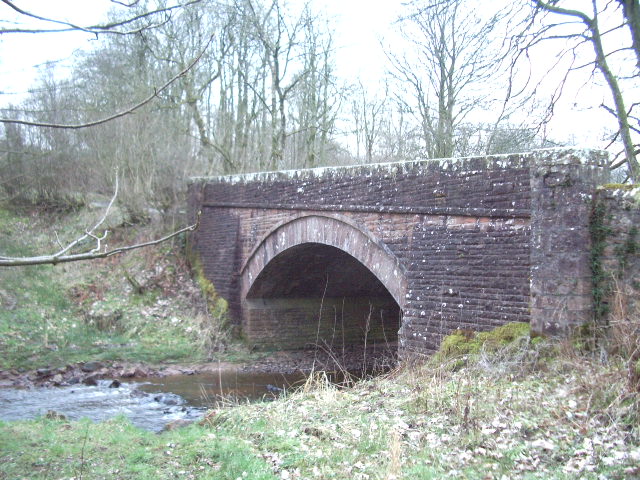
Four medieval shielings on south bank of White Lyne overlooking confluence with Little Hare Grain - List Entry



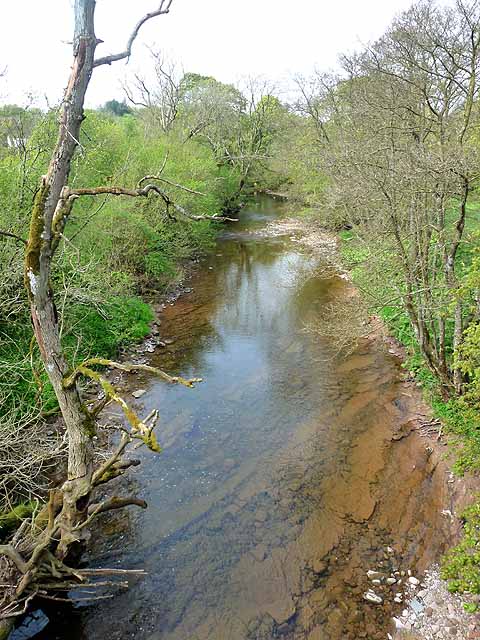
-
Description
Shielings are small seasonally occupied huts which were built to provide shelter for herdsmen who tended animals grazing summer pasture on upland or marshland. These huts reflect a system called transhumance, whereby stock was moved in spring from lowland pasture around the permanently occupied farms to communal upland grazing during the warmer summer months. Settlement patterns reflecting transhumance are known from the Bronze Age (c.2000-700 BC) onwards. However, the construction of herdsmen's huts in a form distinctive from the normal dwelling houses of farms, only appears from the early medieval period onwards (from AD 450), when the practice of transhumance is also known from documentary sources and, notably, place-name studies. Their construction appears to cease at the end of the 16th century. Shielings vary in size but are commonly small and may occur singly or in groups..... -
Owner
Historic England -
Source
Local (Co-Curate) -
License
What does this mean? Unknown license check permission to reuse
-
Further information
Link: https://historicengland.org.uk/listing/the-list/list-entry/1016393
Resource type: Text/Website
Added by: Simon Cotterill
Last modified: 1 hour, 42 minutes ago
Viewed: 9 times
Picture Taken: Unknown -
Co-Curate tags