Topics > Historical Periods > Neolithic Period > Henge
Henge
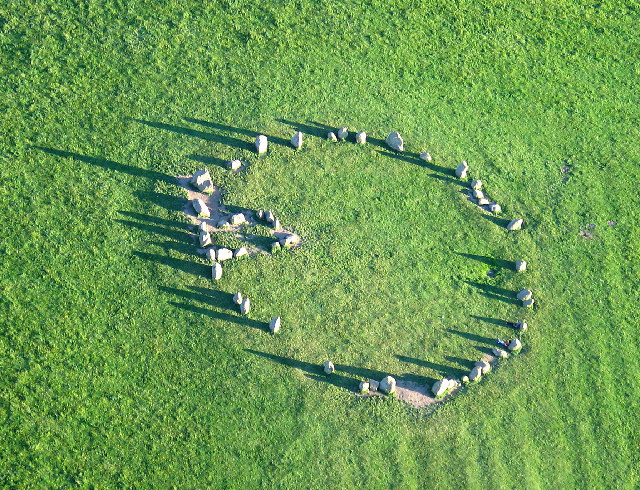
Henges are rare, ancient ceremonial sites from the Late Neolithic period (2800-2000 BC), with only about 80 found across England. They consist of a large, circular, flat area surrounded by a ditch and an outer bank, usually with a few entrances. Inside, they often hold timber or stone circles, pits, or burial sites. Usually found near water on low-lying ground, these rare monuments are important for understanding the ritual life and environment of the period.Their excavation provides vital evidence regarding Neolithic activity and environmental history.


Co-Curate Page
Ewart Park Henge
- Map showing Ewart Newton and the site of Ewart Park Henge to the east. This site, preserved as an oval cropmark, has the remains of a late Neolithic henge. It …
Co-Curate Page
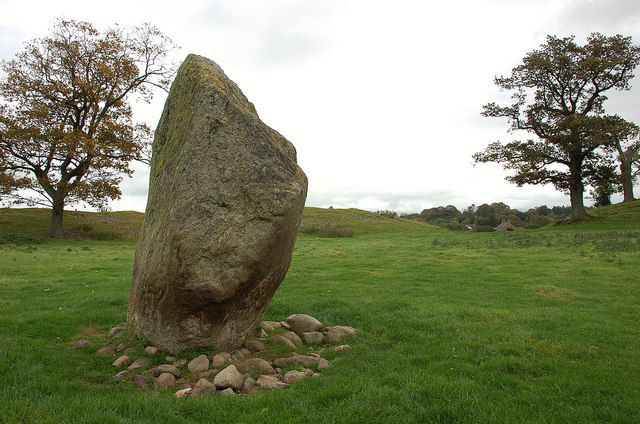
Mayburgh Henge
- Overview About Mayburgh Henge Map Street View Henges are ritual or ceremonial sites which date to the Late Neolithic period (2800-2000 BC). Mayburgh Henge is located close to the confluence …
Co-Curate Page
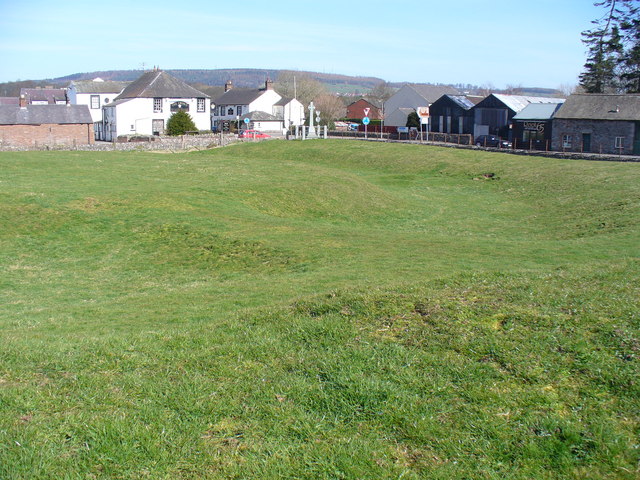
King Arthur's Round Table Henge
- Overview About King Arthur's Round Table Map Street View King Arthur's Round Table Henge is located at the south of the village of Eamont Bridge in Cumbria. It is thought …

Co-Curate Page
Ewart Park Henge
- Map showing Ewart Newton and the site of Ewart Park Henge to the east. This site, preserved as an oval cropmark, has the remains of a late Neolithic henge. It …
Co-Curate Page
Mayburgh Henge
- Overview About Mayburgh Henge Map Street View Henges are ritual or ceremonial sites which date to the Late Neolithic period (2800-2000 BC). Mayburgh Henge is located close to the confluence …