Topics > Civil Parishes in Cumbria > Castle Carrock Civil Parish > Geltsdale Forest
Geltsdale Forest
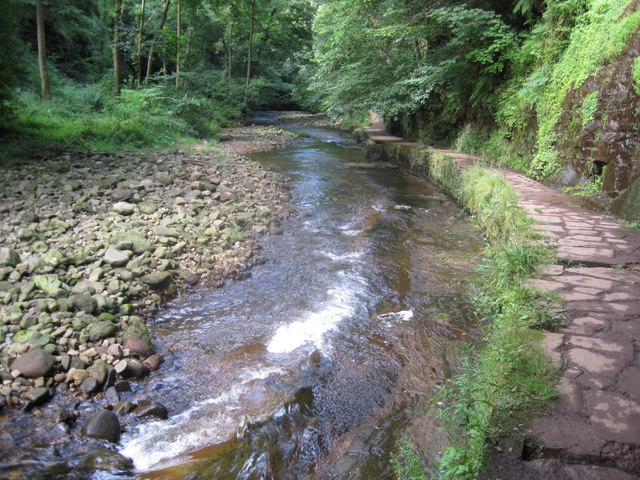
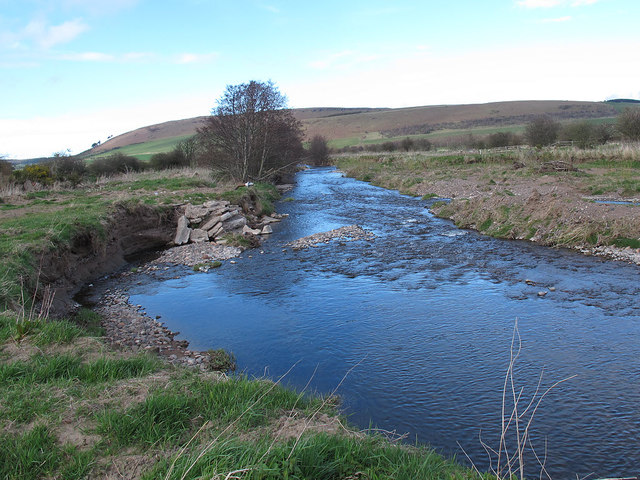
Geltsdale Forest is a hilly tract of moorland, to the east of Carlisle, which includes the peaks of Cold Fell (2,037 feet), Cumrew Fell, and Tarnmonath Fell. It is an open, largely treeless expanse of rolling hills, blanket bog, heath, upland meadows, and wet flushes and woodland cut through by the River Gelt.
Geltsdale Forest (historically known as the "King’s Forest of Geltsdale") was an extra-parochial hunting forest in the old county of Cumberland. In ancient and medieval times, the term "forest" referred to a designated tract of land, protected for royal or noble hunting, rather than a densely wooded forest. It was granted to Lanercost Priory by Vaux family of Hayton, Geltsdale and Tryermaine. After the Dissolution, the forest passed to the Earl of Carlisle.[1] In 1858 Geltsdale Forest became a Civil Parish (population of 26 in 1891). It was part of the Eskdale ward of the old county of Cumberland – the River Gelt formed the boundary with the parish of Castle Carrock. It wasn’t until 2003, that Geltsdale was absorbed into the Civil Parish of Castle Carrock.
Today, Geltsdale & Glendue Fells Site of Special Scientific Interest (SSSI) covers an area of 8,059 hectares. Geltsdale RSPB reserve is a 5,000 hectare nature reserve within the SSSI. It mainly moorland supporting upland birds such as black grouse and hen harriers. After acquiring additional land in 2025, it became the RSPB's largest reserve in England.
Map of Geltsdale & Glendue Fells SSSI

from https://www.cumbriacountyhist…
Geltsdale Forest
- Extra-parochial area of upland waste with status of hunting forest (King’s Forest of Geltsdale) in Eskdale ward, Cumberland. Absorbed into Castle Carrock CP 2003....
Added by
Simon Cotterill

from https://www.cumbriacountyhist…
Geltsdale Forest
- Extra-parochial area of upland waste with status of hunting forest (King’s Forest of Geltsdale) in Eskdale ward, Cumberland. Absorbed into Castle Carrock CP 2003....
Added by
Simon Cotterill